
Devotion
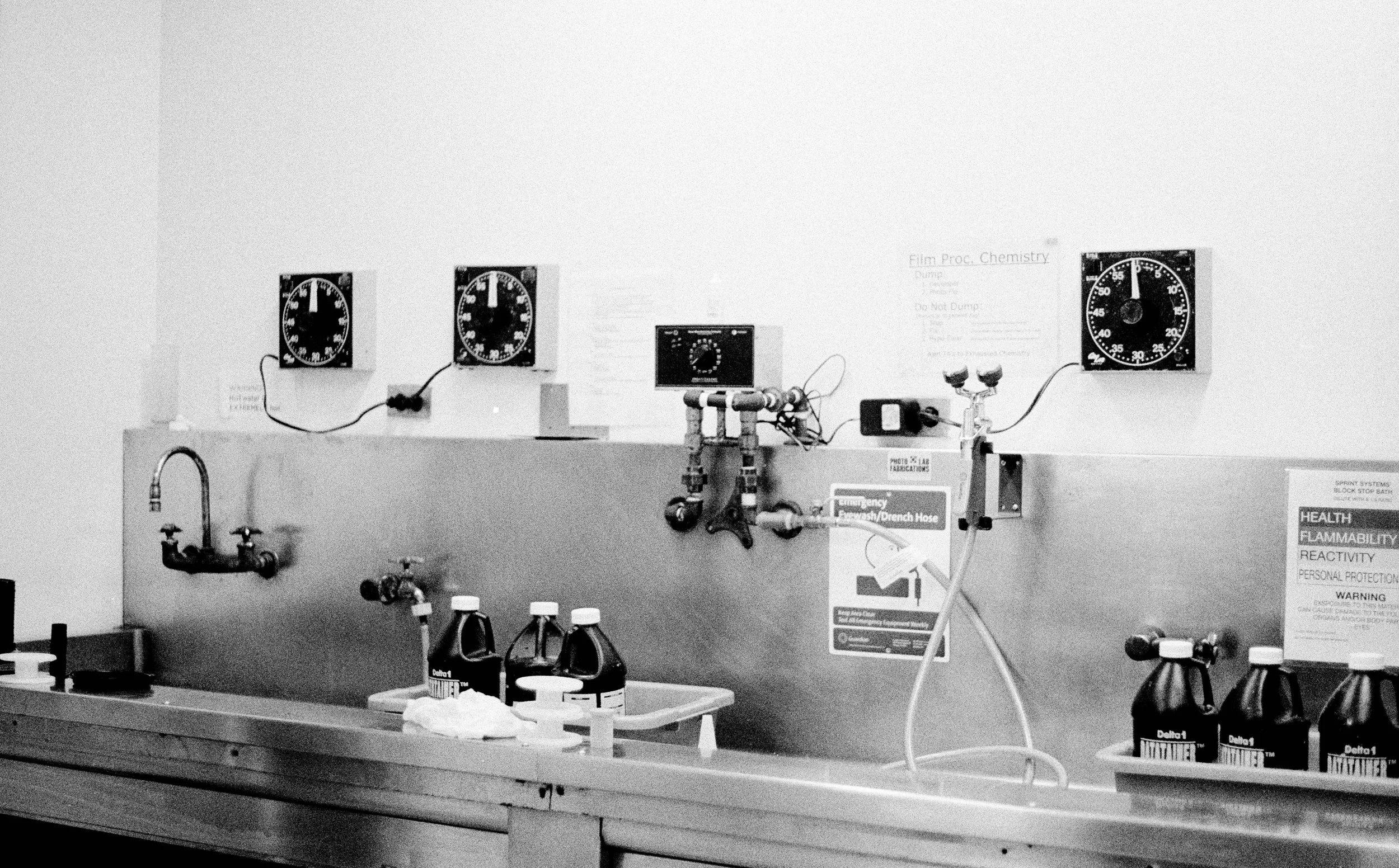
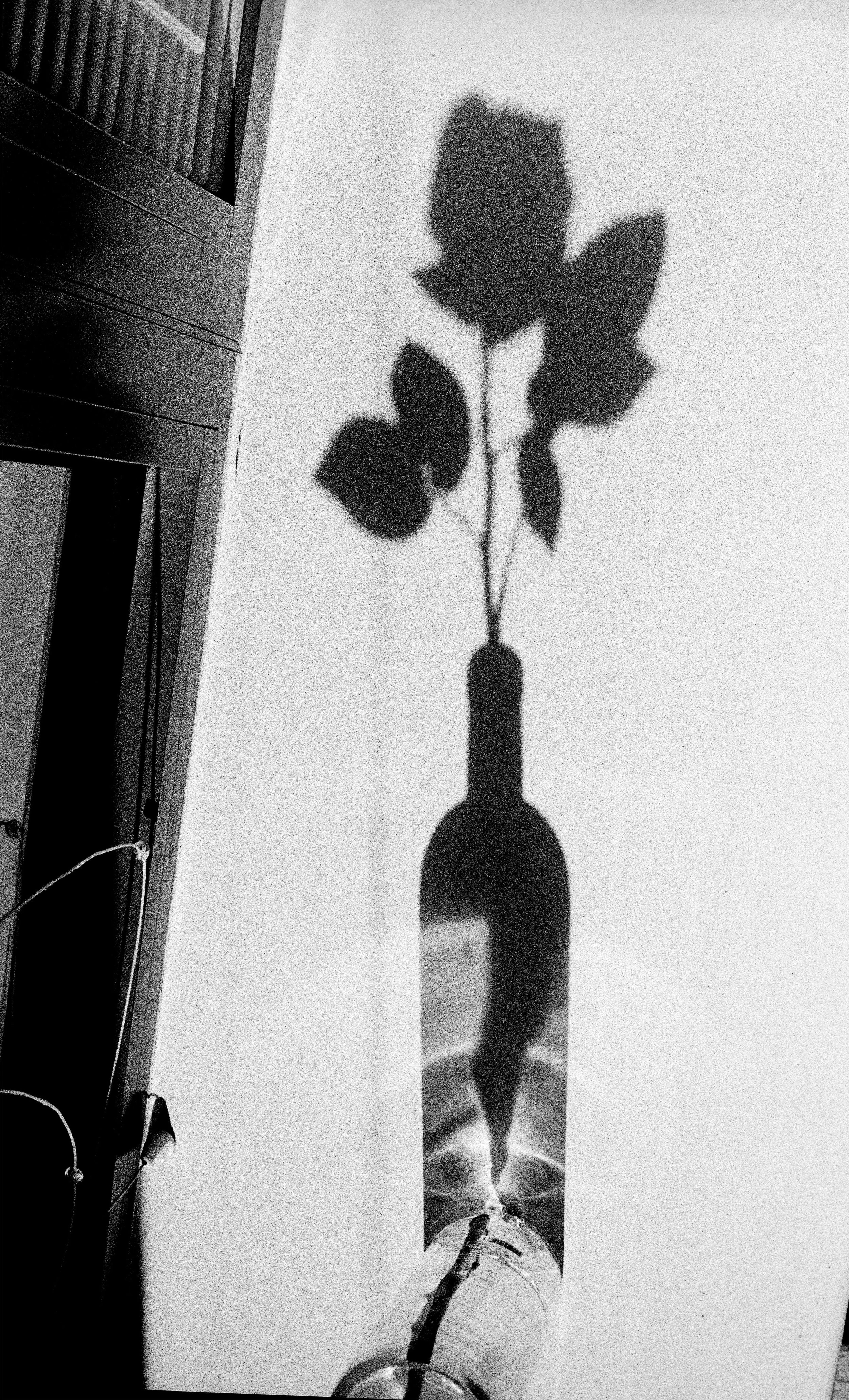
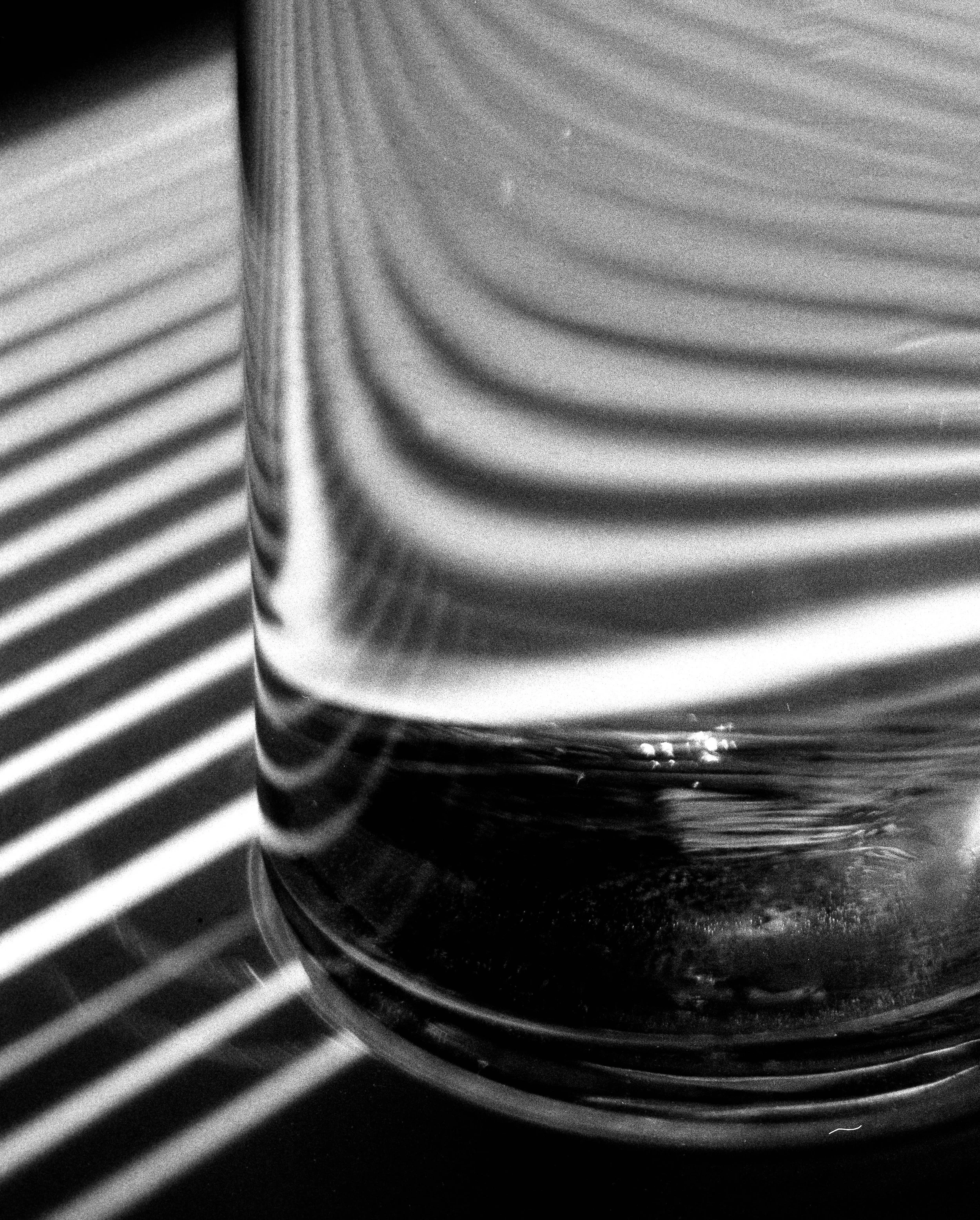
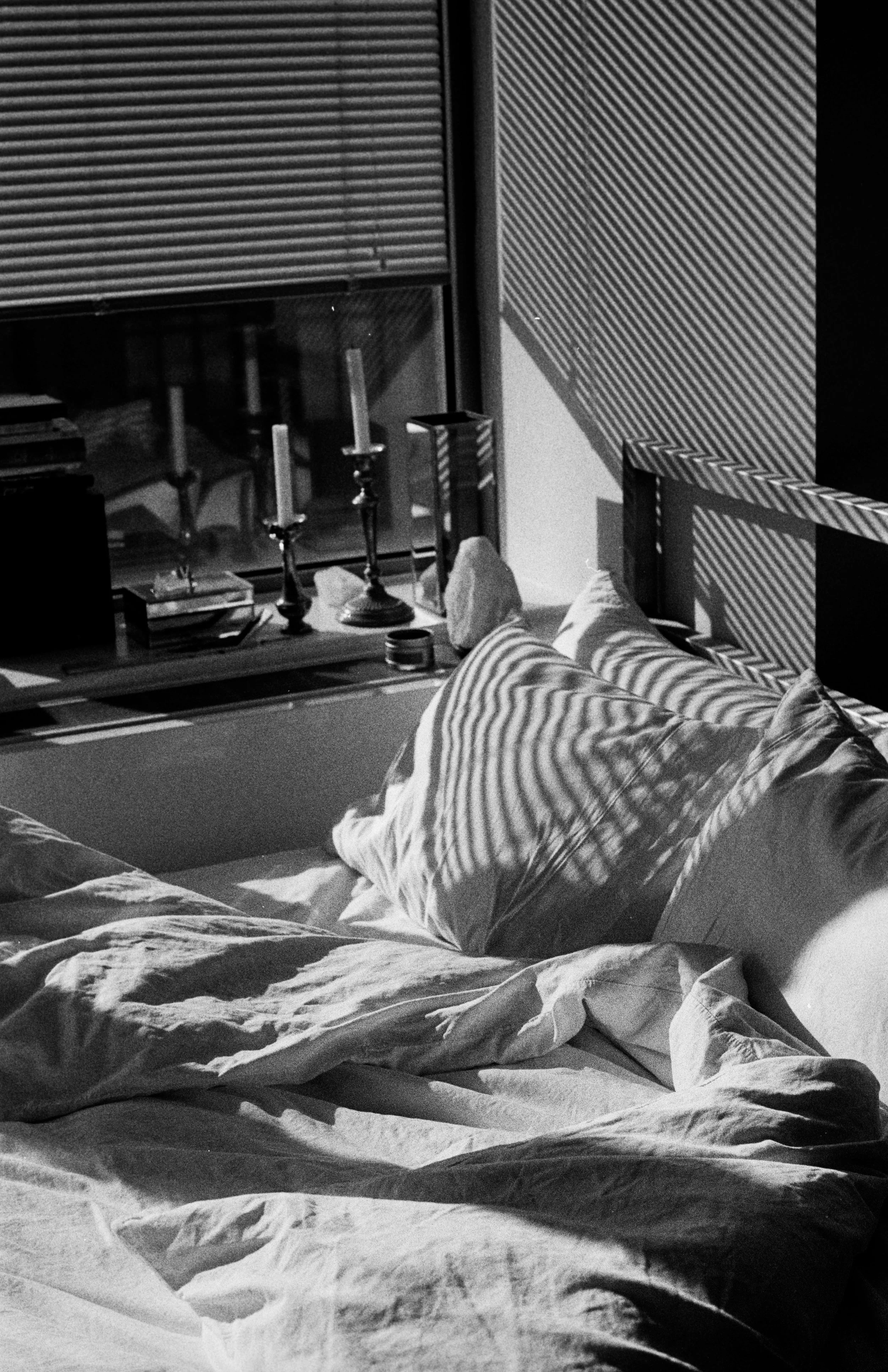
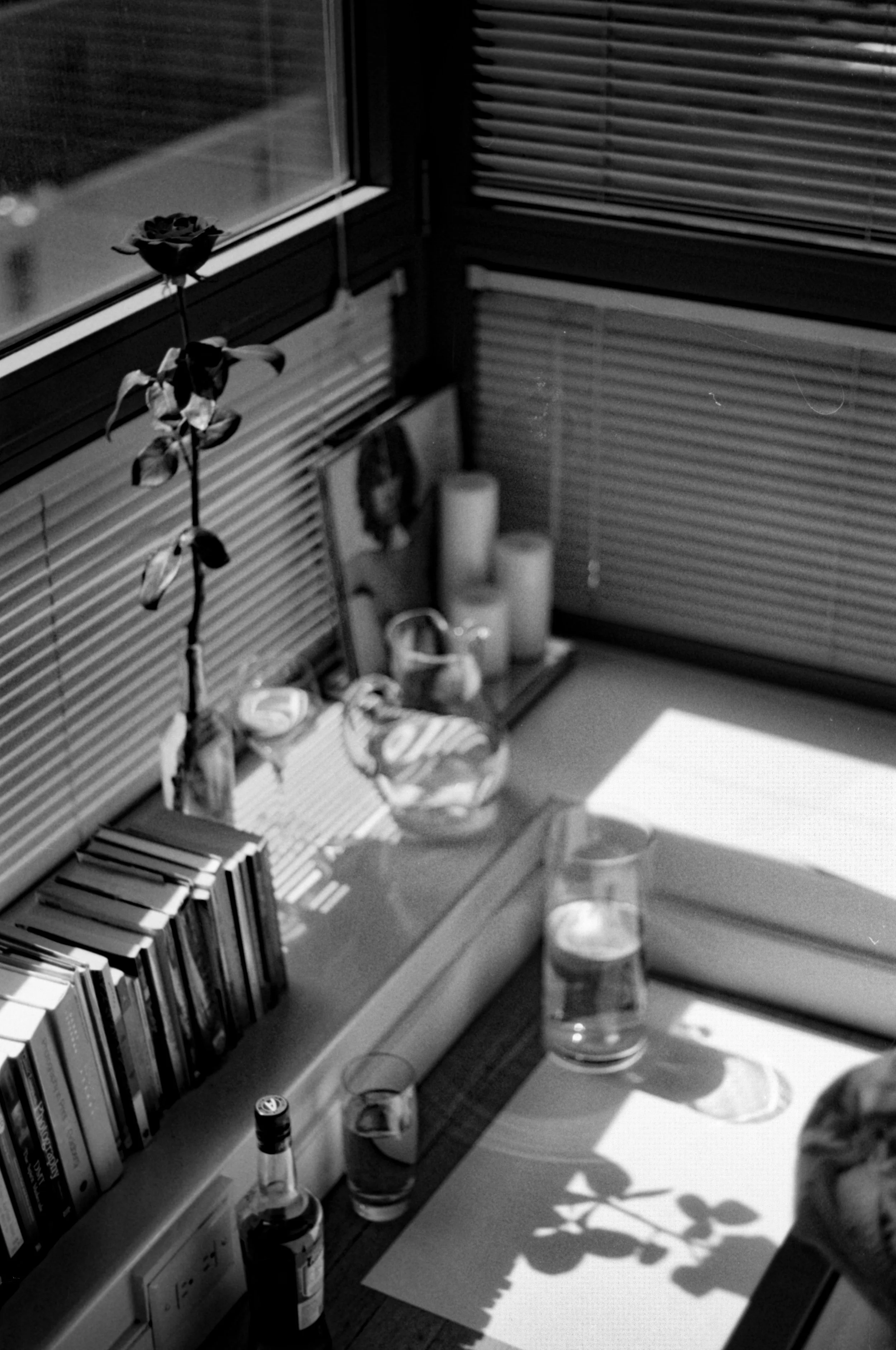
Soft amber light, sensual, like the glow of embers. Water always running somewhere, a constant trickle underneath everything, breathing.
I would slide the negative strip into the carrier and place it inside the enlarger, which cast this beautiful green-blue light when exposing the paper—like the color on the edge of mirror or thick glass.
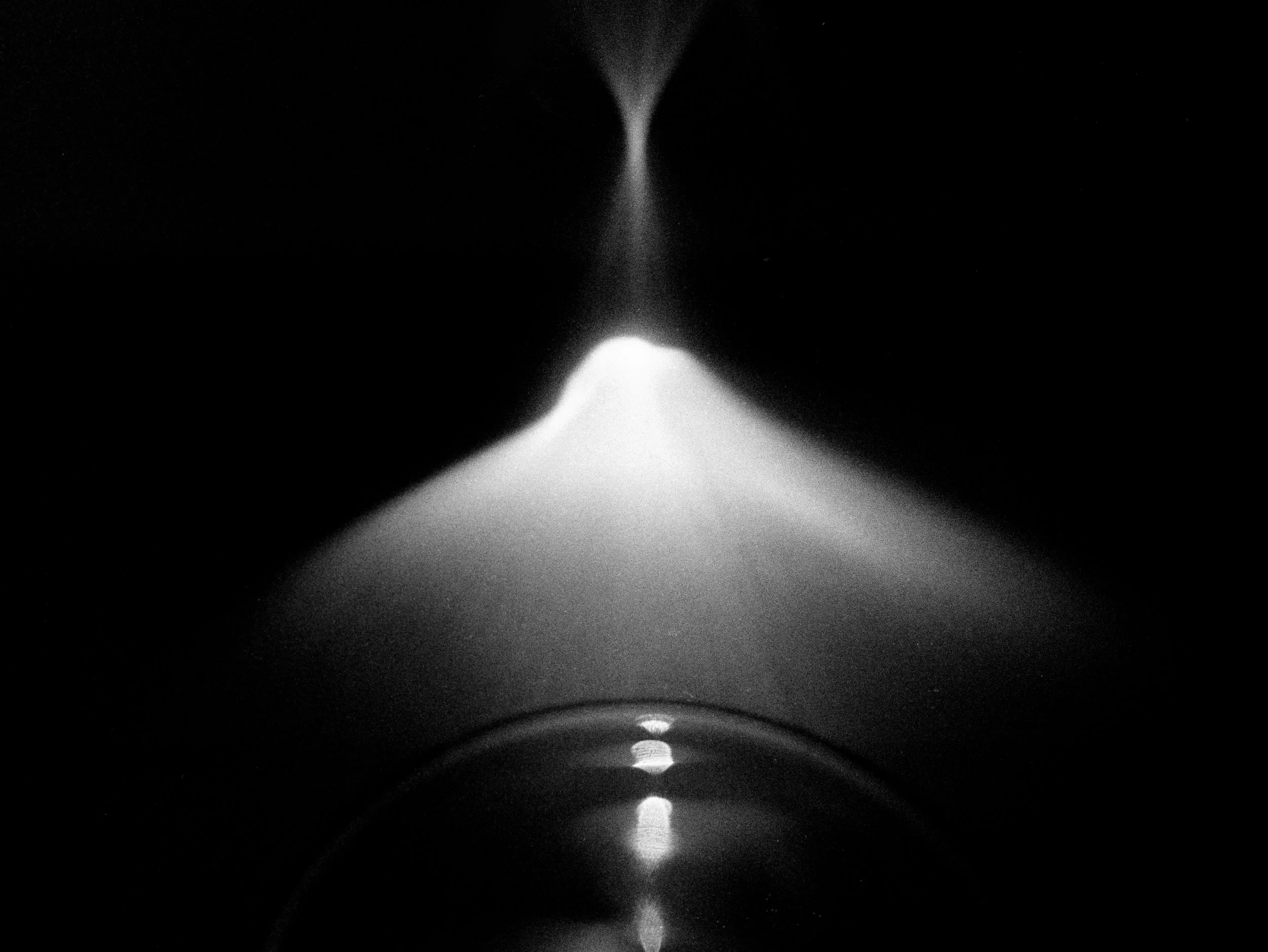
I would watch myself reflected in the developer bath tray as the photograph slowly dissolved into being—my face rippling on the surface while the image emerged beneath it. Present above, past below, meeting in chemistry.
—
There are places that claim you immediately. The Tisch Photography & Imaging studio was one—enlargers, chemicals, scanners, printers. An entire world built for creation. I could stay all day. All night.
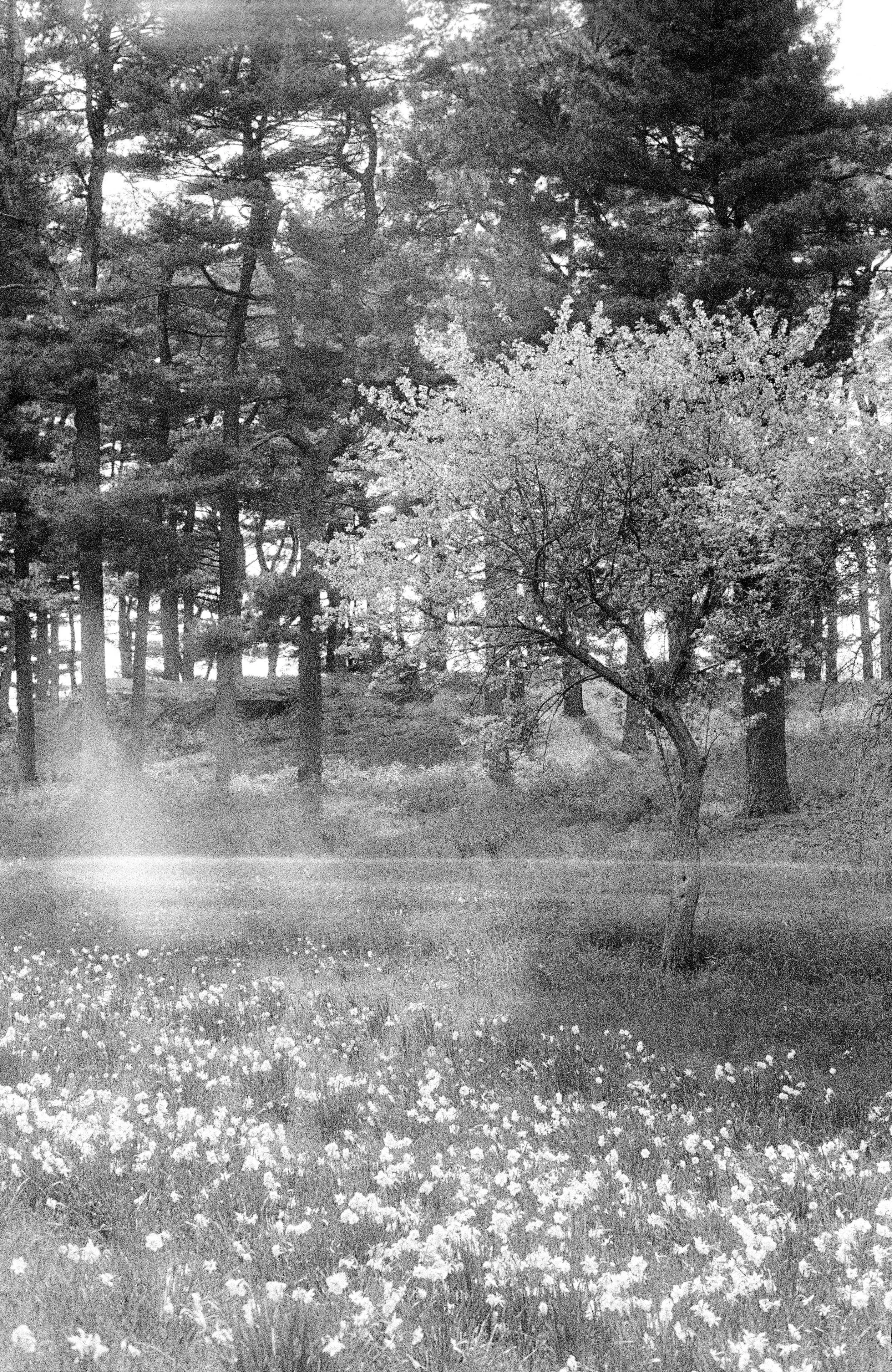
The Pentax K1000 and the whole process of analogue film invited full attention from the first moment. Carrying multiple film stocks on long walks, aperture and shutter in fluid conversation, the camera and I reading the same light.
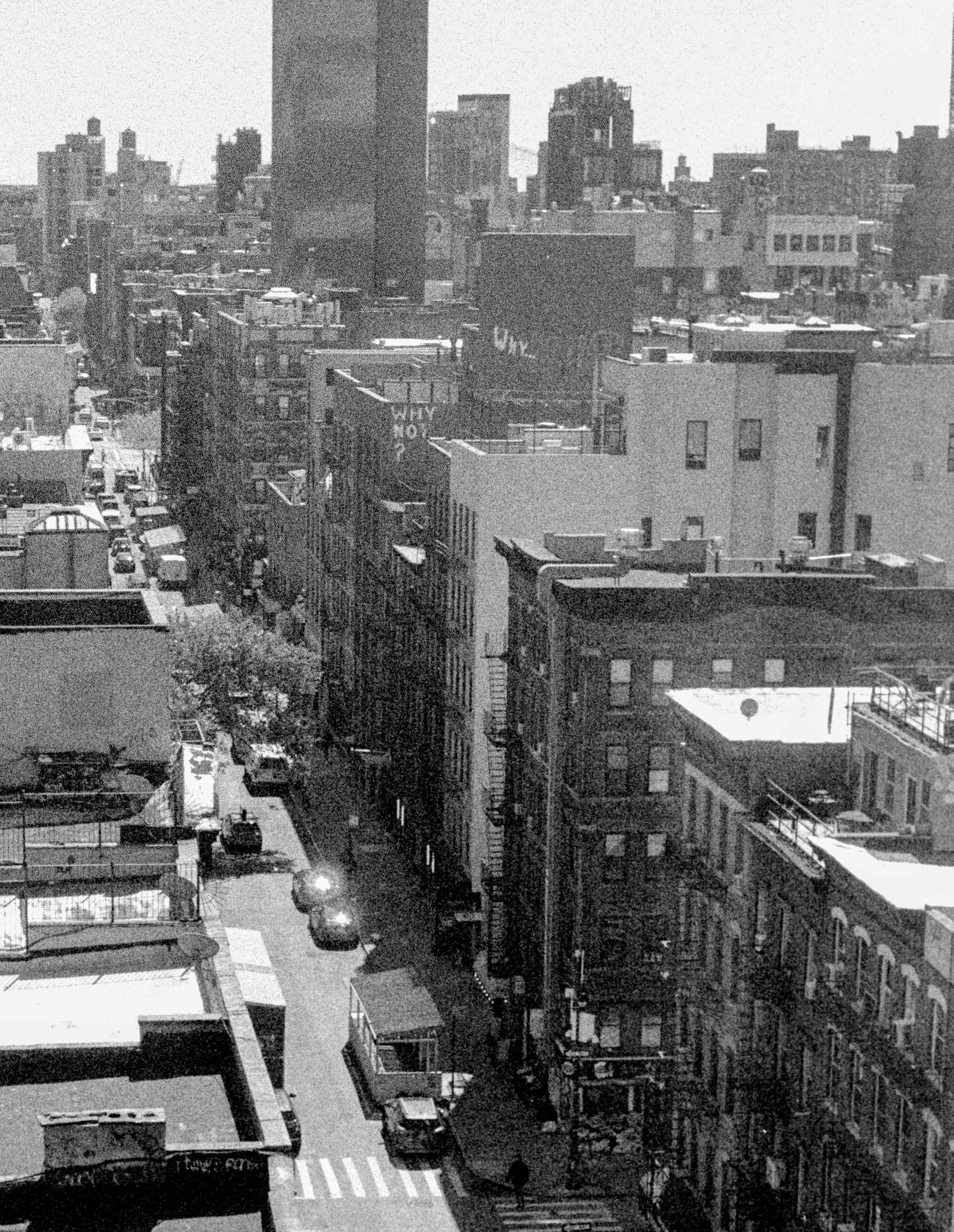
The first time I developed film, freshman year. A pitch black cubicle—memorize where everything is, then go blind. I had spent days wandering NYC, each frame something that moved me—and now, whether they would ever exist at all was being decided in the dark. I dropped the first roll trying to guide it onto the spiral reel—flustered, but completely determined to learn. With time it became second nature, though the roll could always come out blank. That never changed.
Once loaded, film safely in the light sealed tank, it was time to shake. Agitating the film to the clock—exact intervals, exact amounts, headphones on, turning precision into a party. The developing chemicals mixed by hand, volume calibrated to the film type, the developer requiring water at an exact temperature, every variable in conversation with every other. Surrender and precision, simultaneously. Creation was happening through my hands.
The rolls came out of the development tanks and went into the dryer. Twenty minutes later, I'd stand there marveling at the negatives—tiny worlds suspended in strips of film. I'd cut them carefully in the print room, leaning over the light boards with a magnifier to study every frame. Sliding each negative strip into its sleeve. Preservation as tenderness.
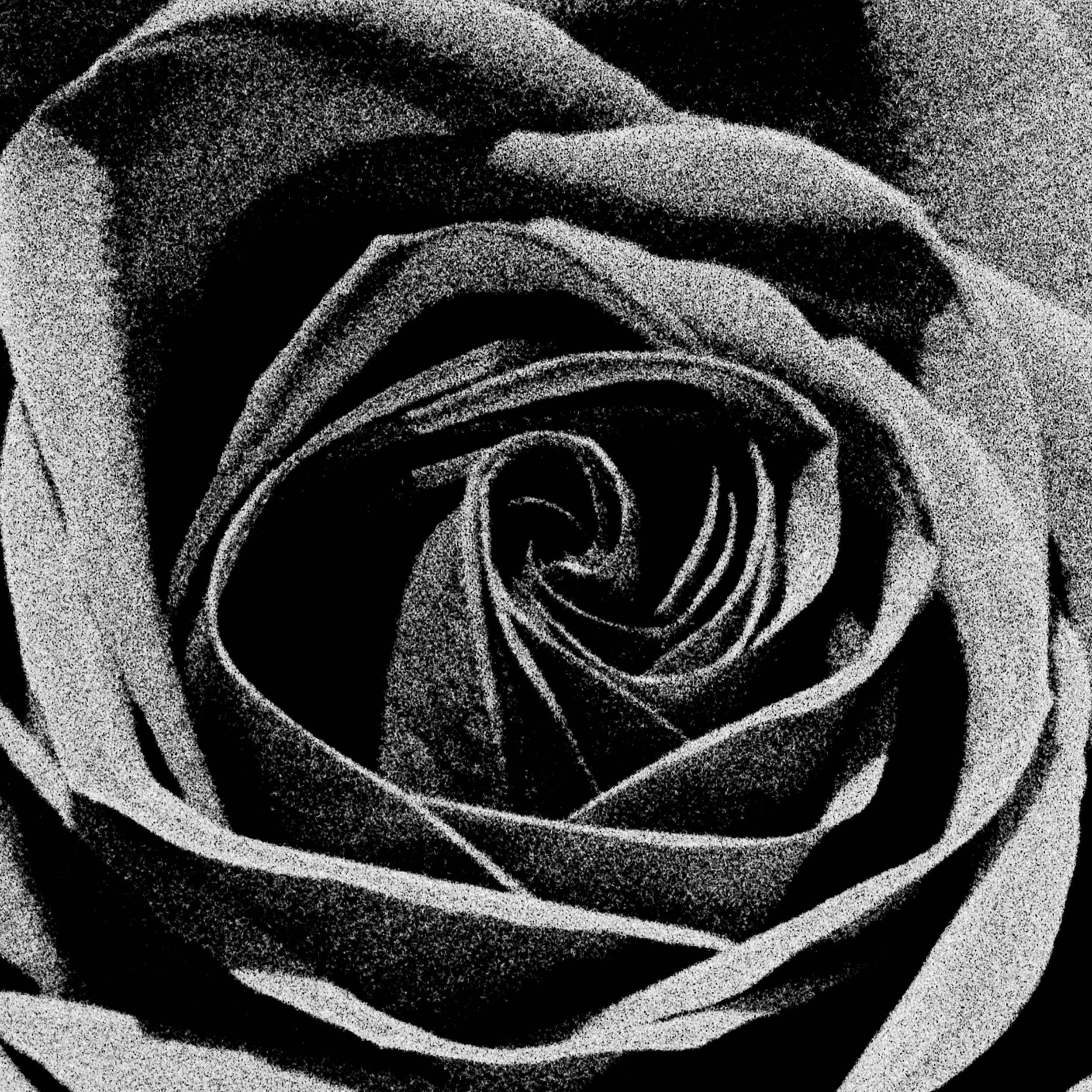
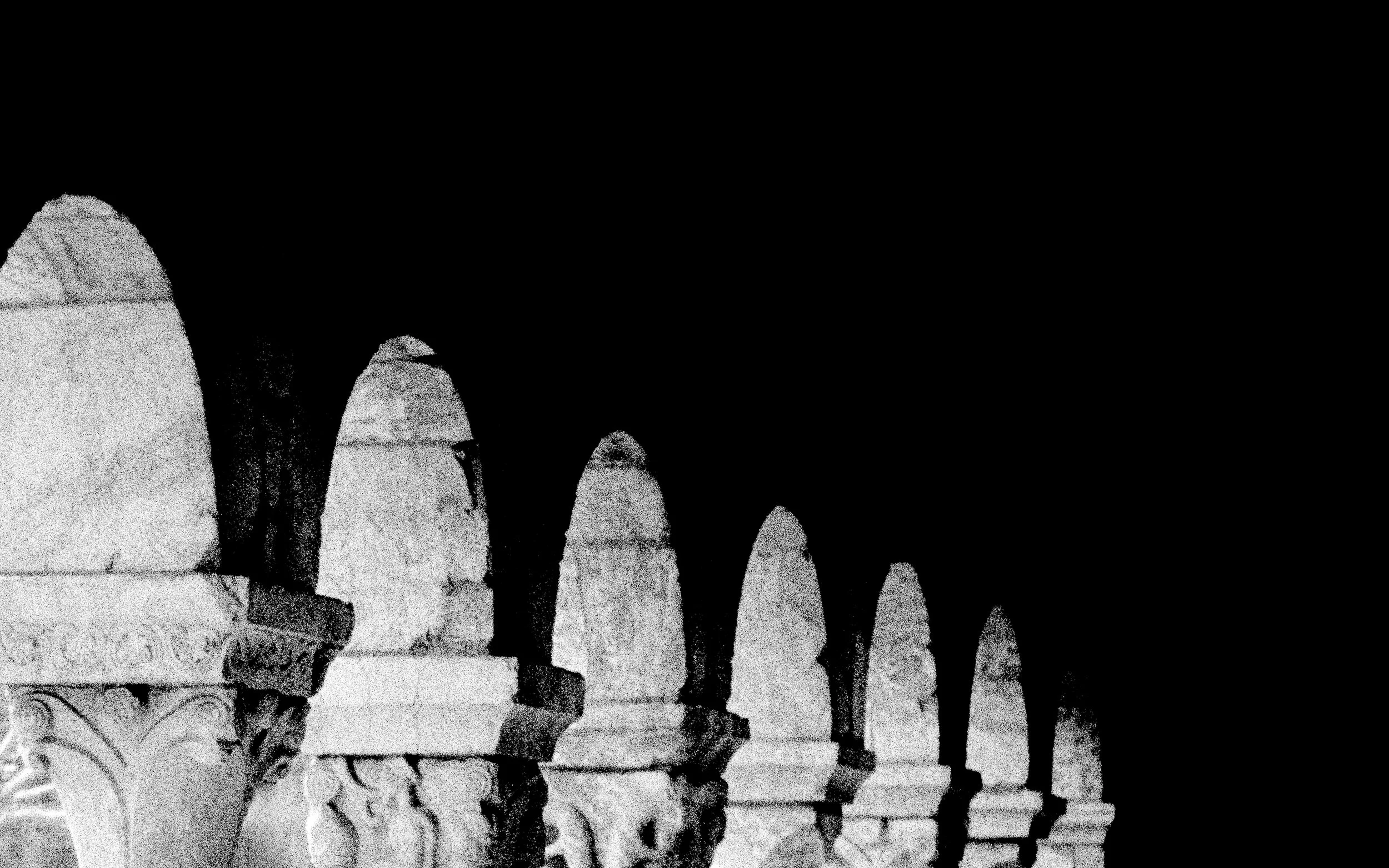
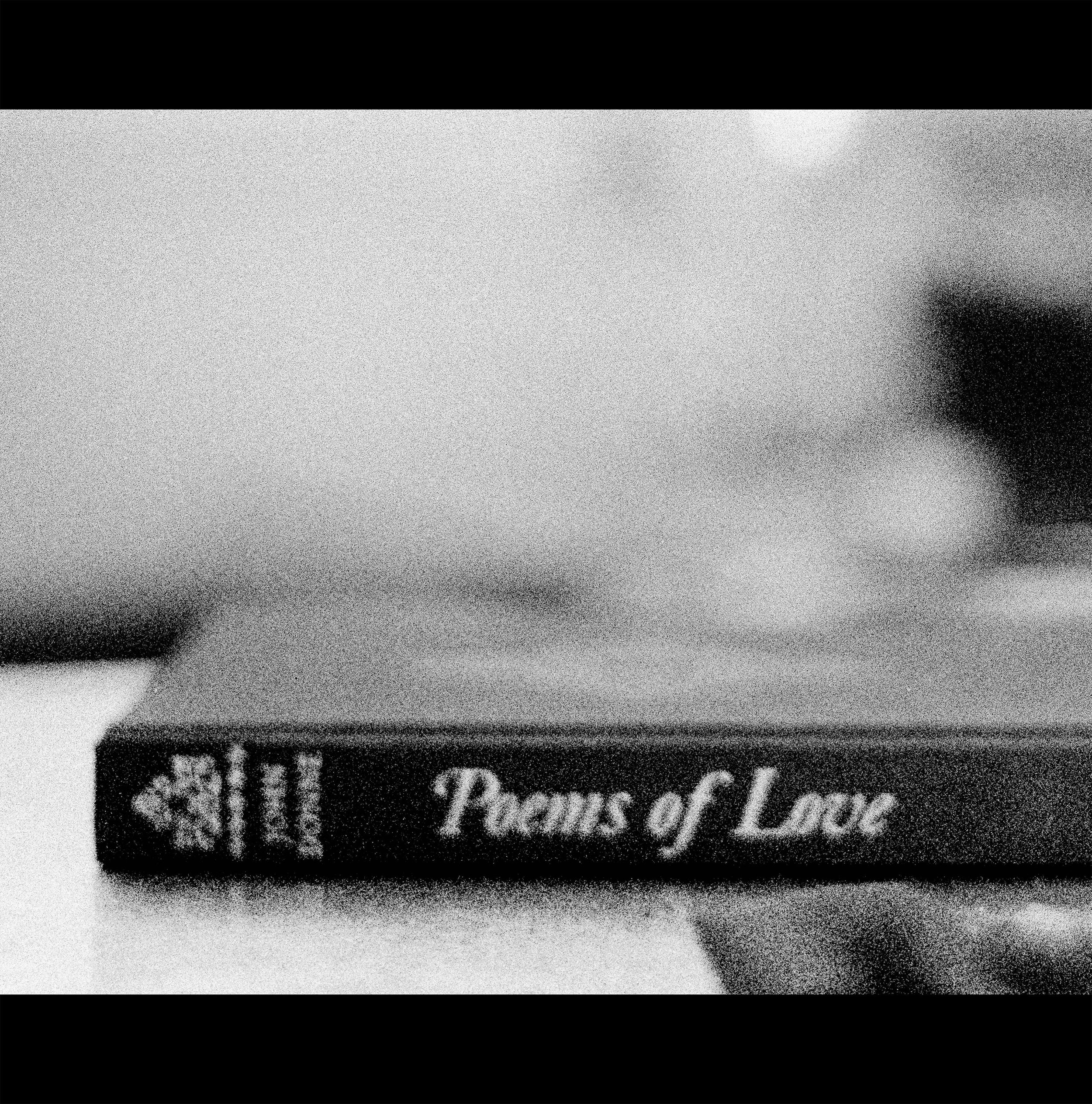
So many possibilities. The contact sheets—which negatives wanted more time under the enlarger, which paper, which size. Later, scanning became its own obsession. Long, sleepless nights before graduation, trying to preserve as much as possible before losing access to the equipment. The Hasselblad negative scanners were incredible—crops within crops, details inside details, things I never could have noticed. Zooming in until the scan dissolved into grain—each silver halide crystal holding its own measure of light, their arrangement together creating the whole.
Process is a relationship. Devotion comes from the hours, the repetition, the trust, the surrender to light, water, chemistry, and time.
—
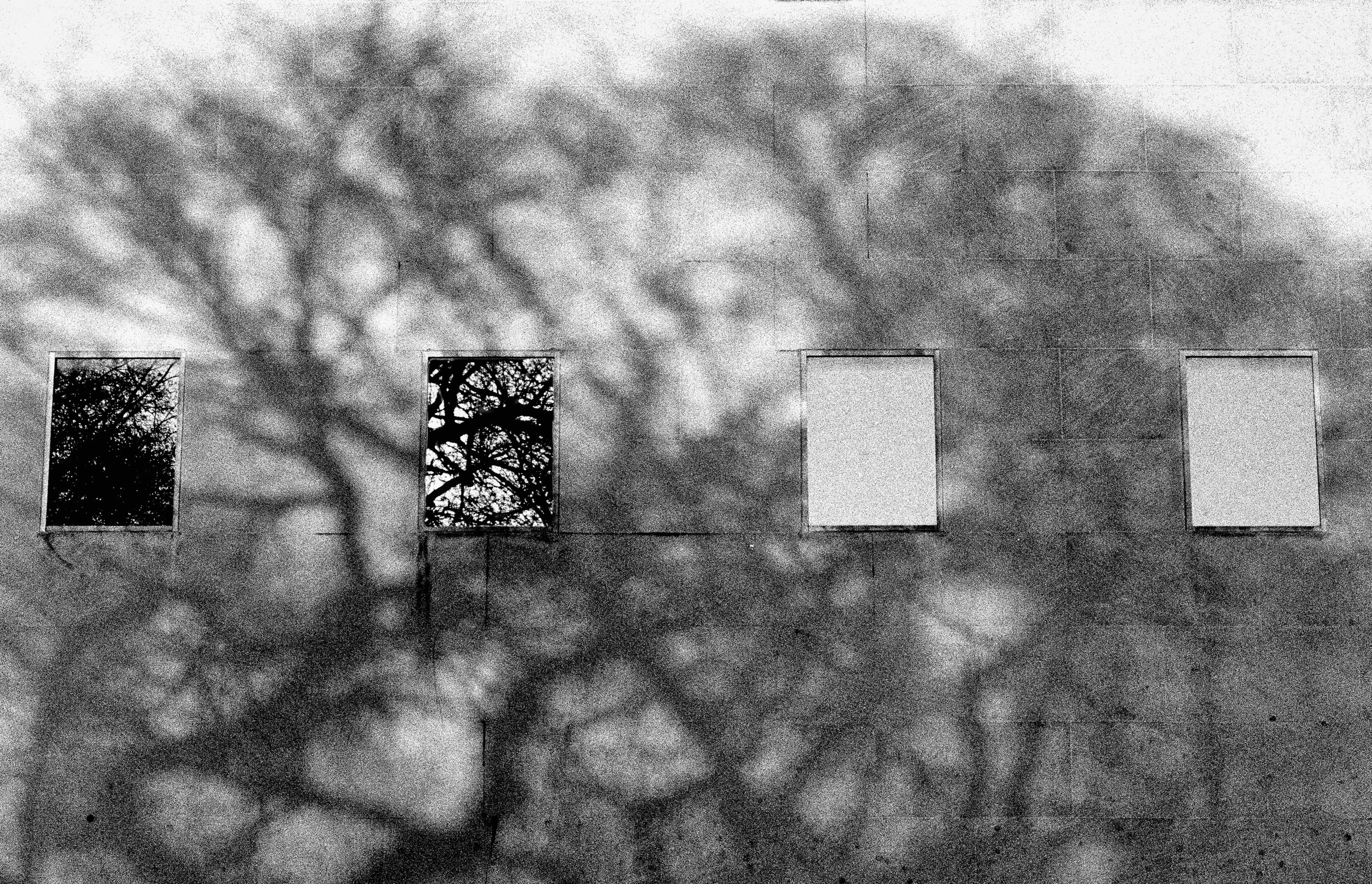
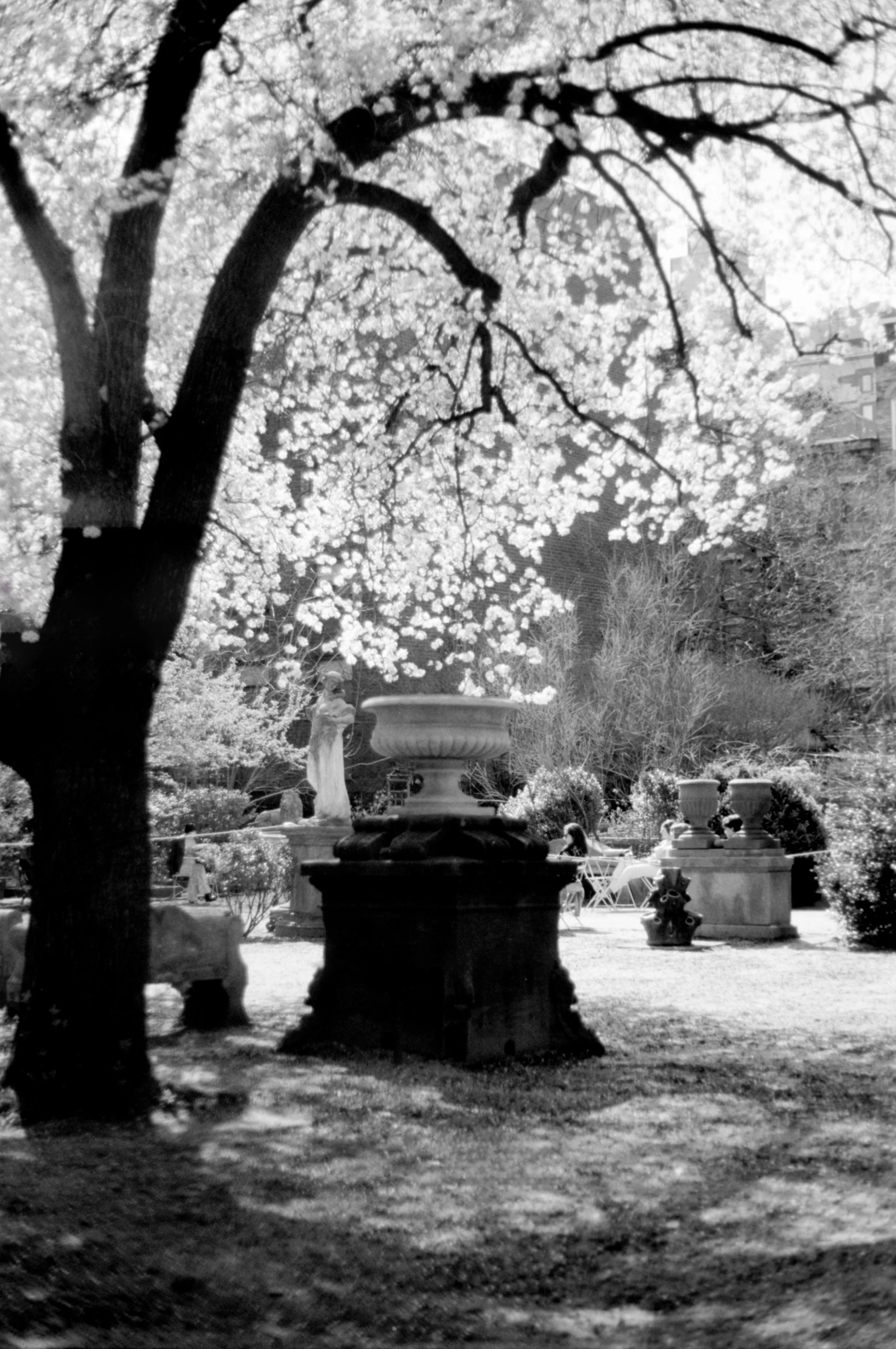
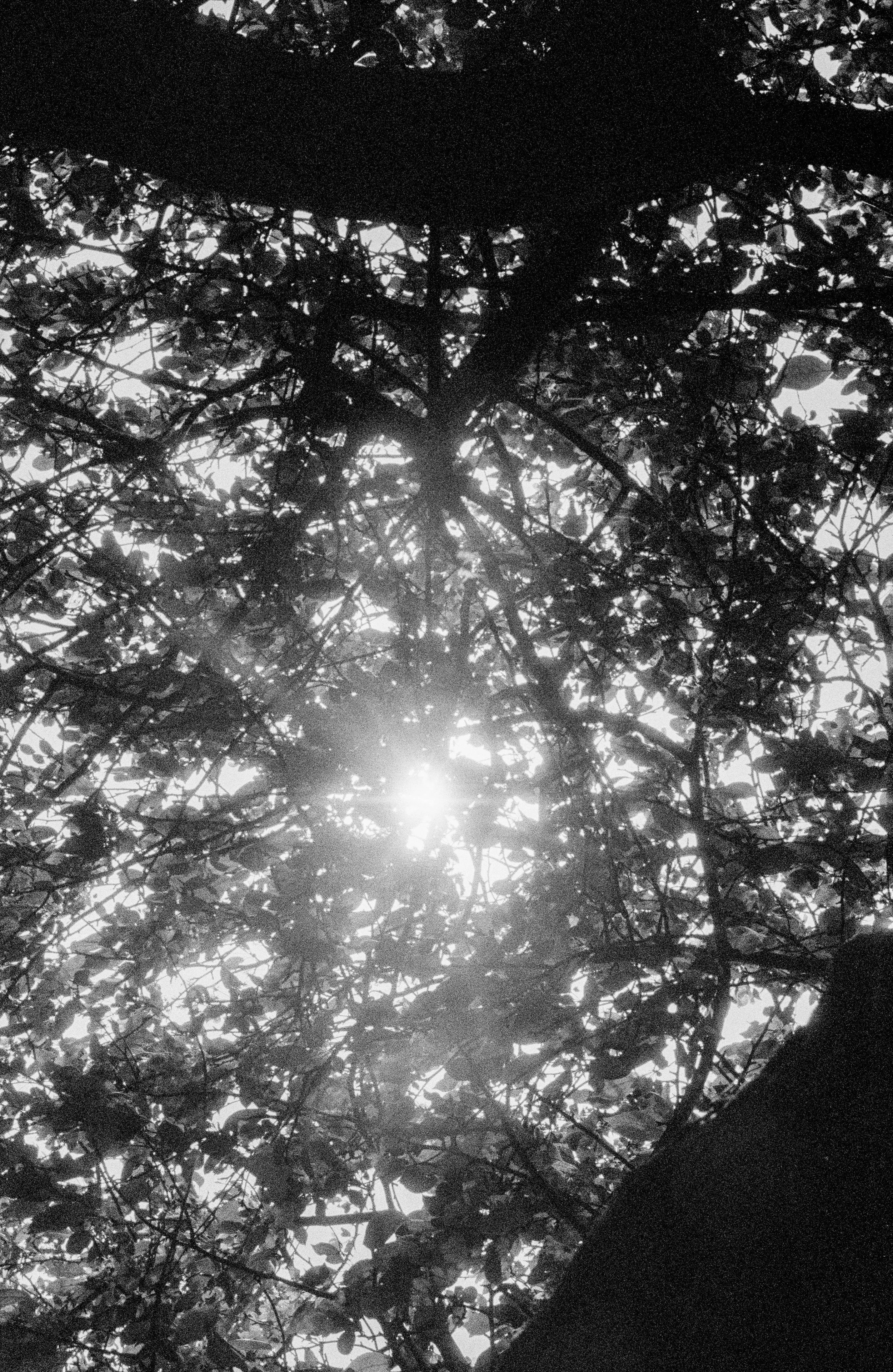
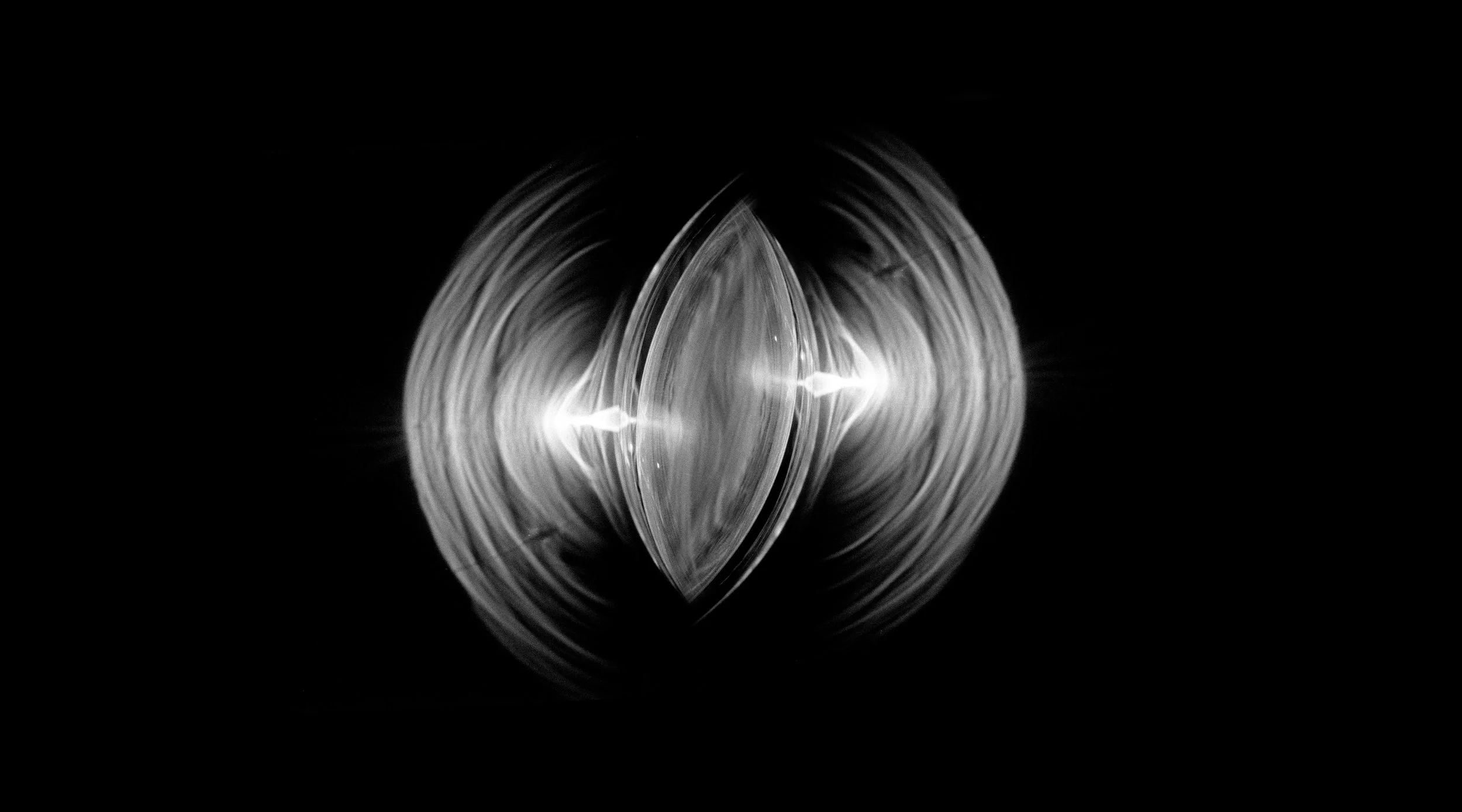
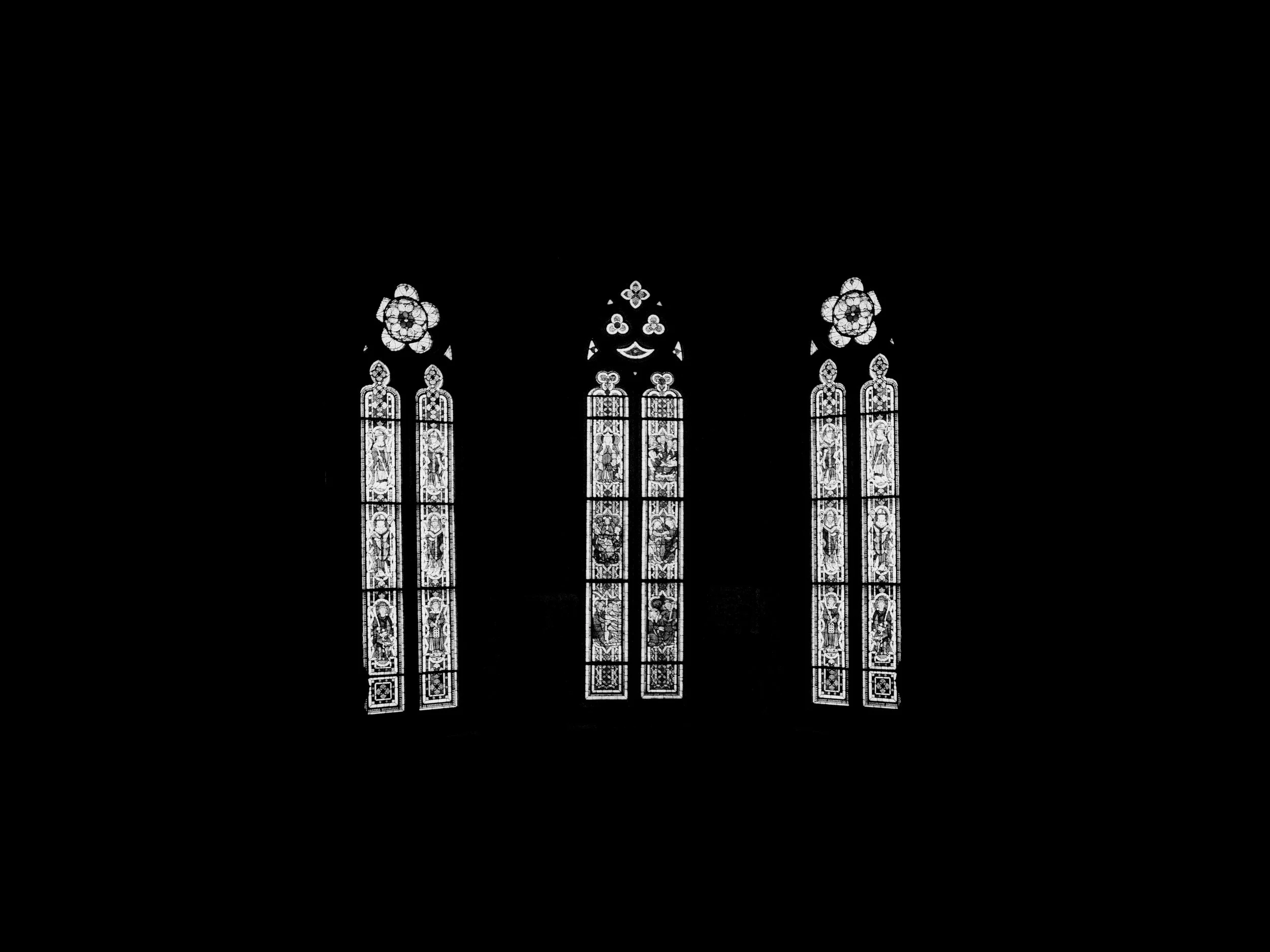
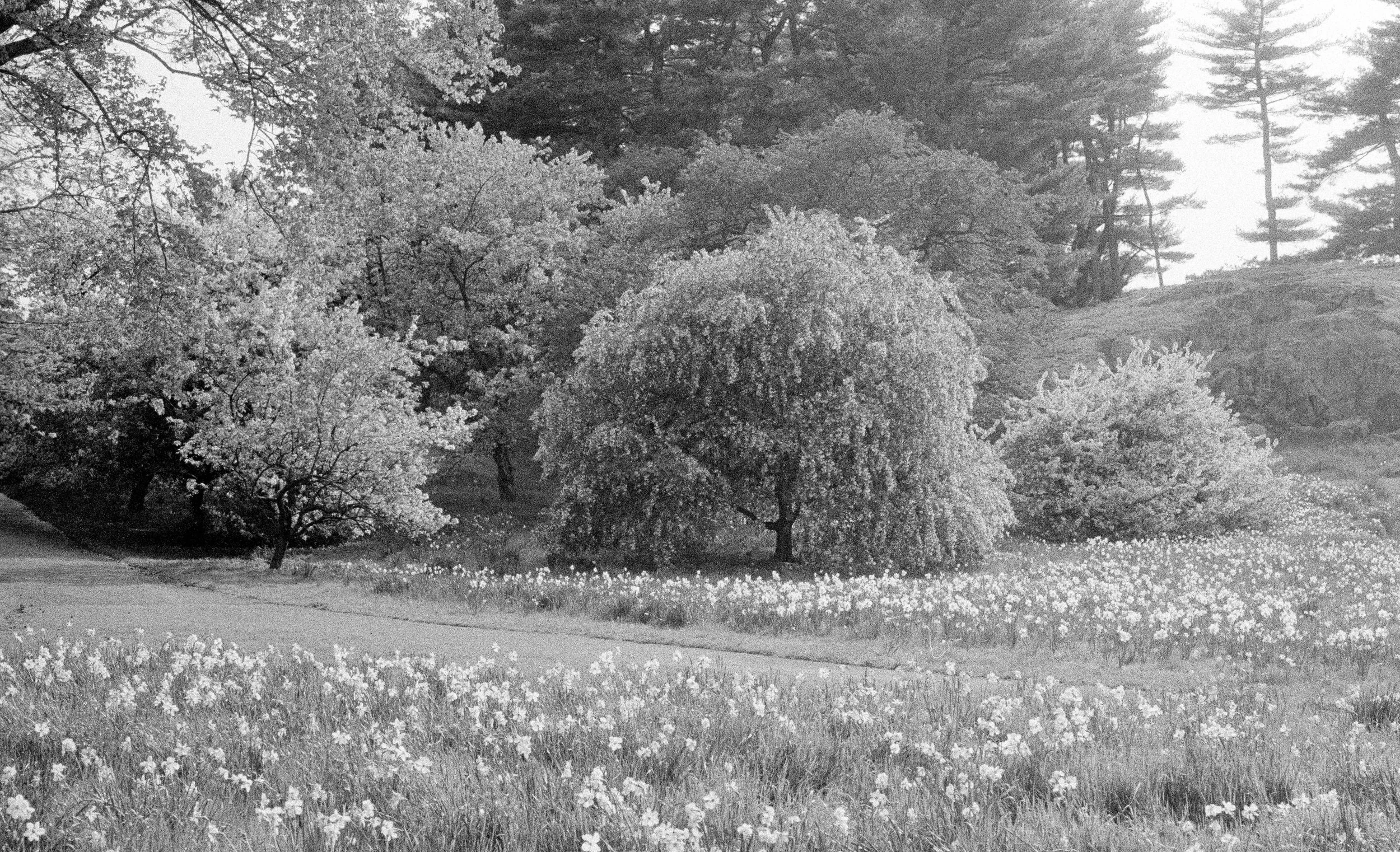
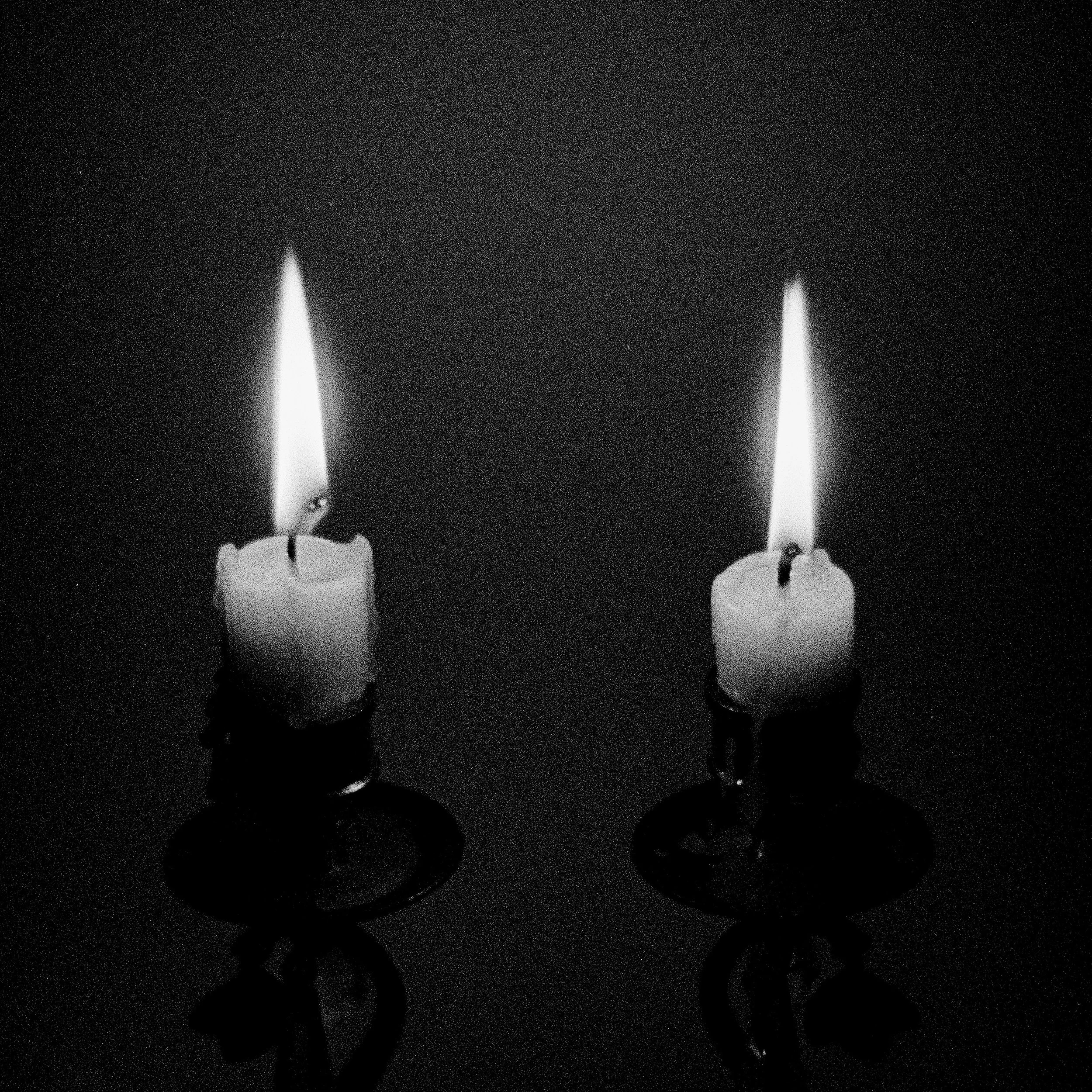
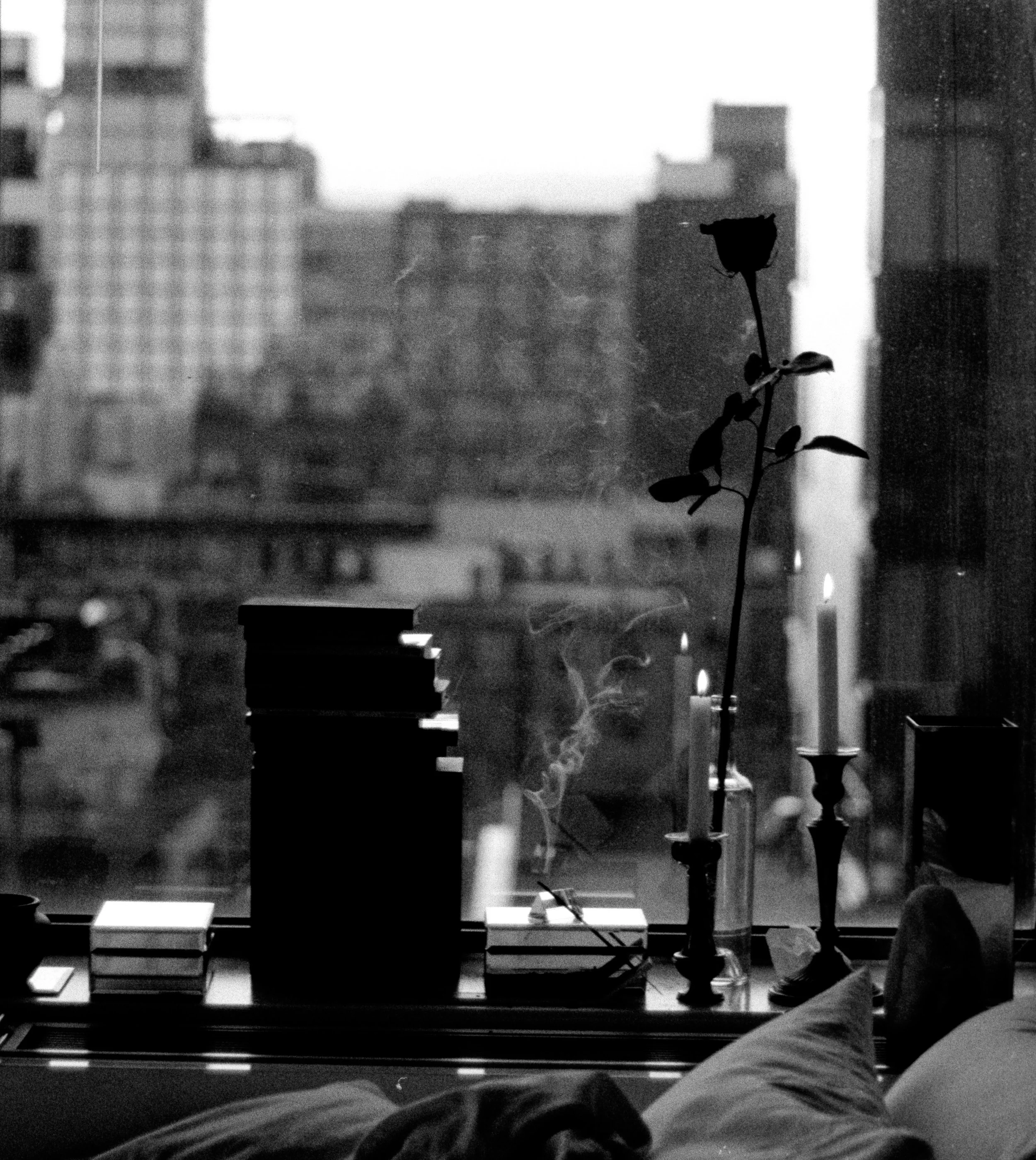
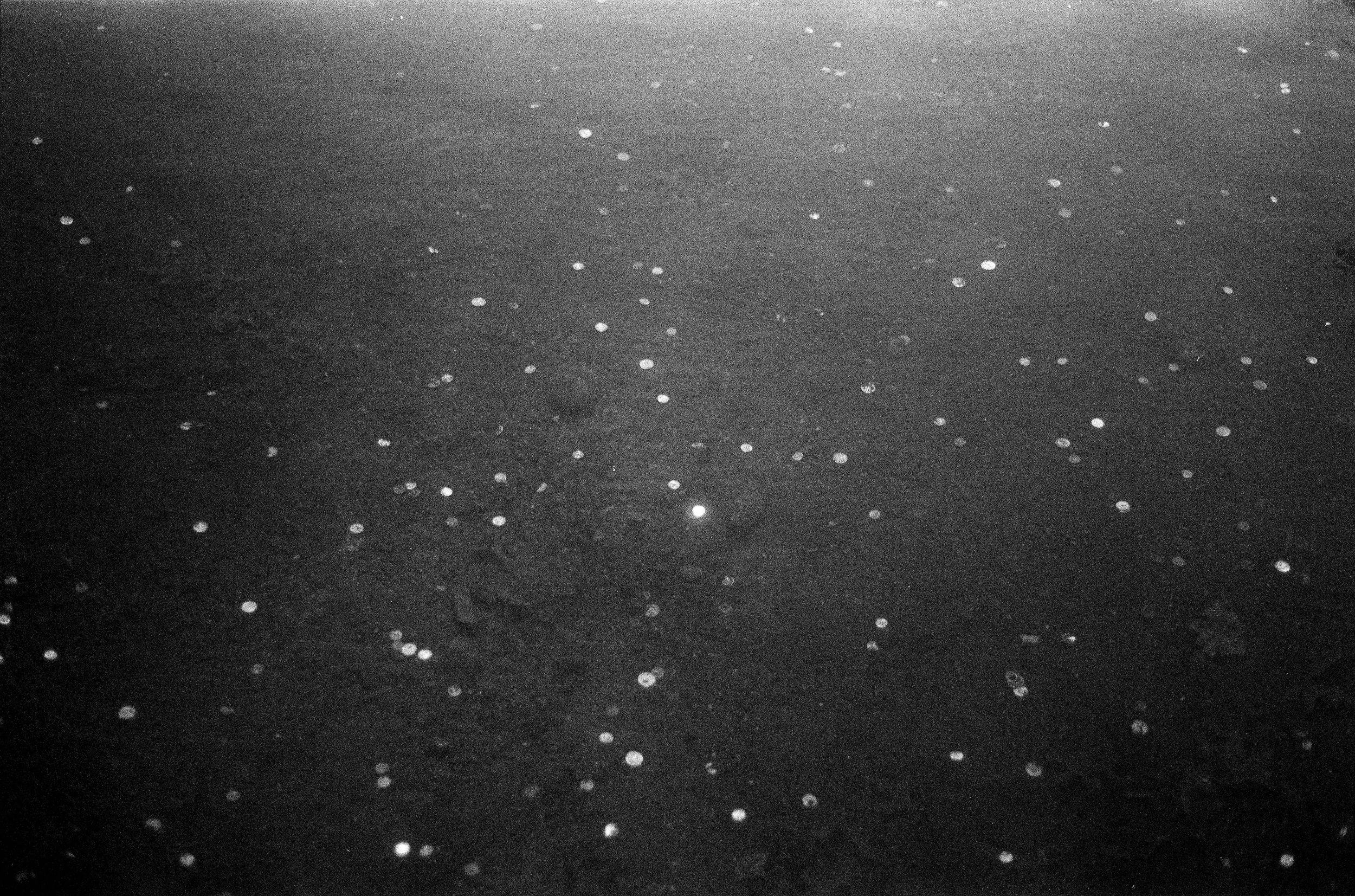
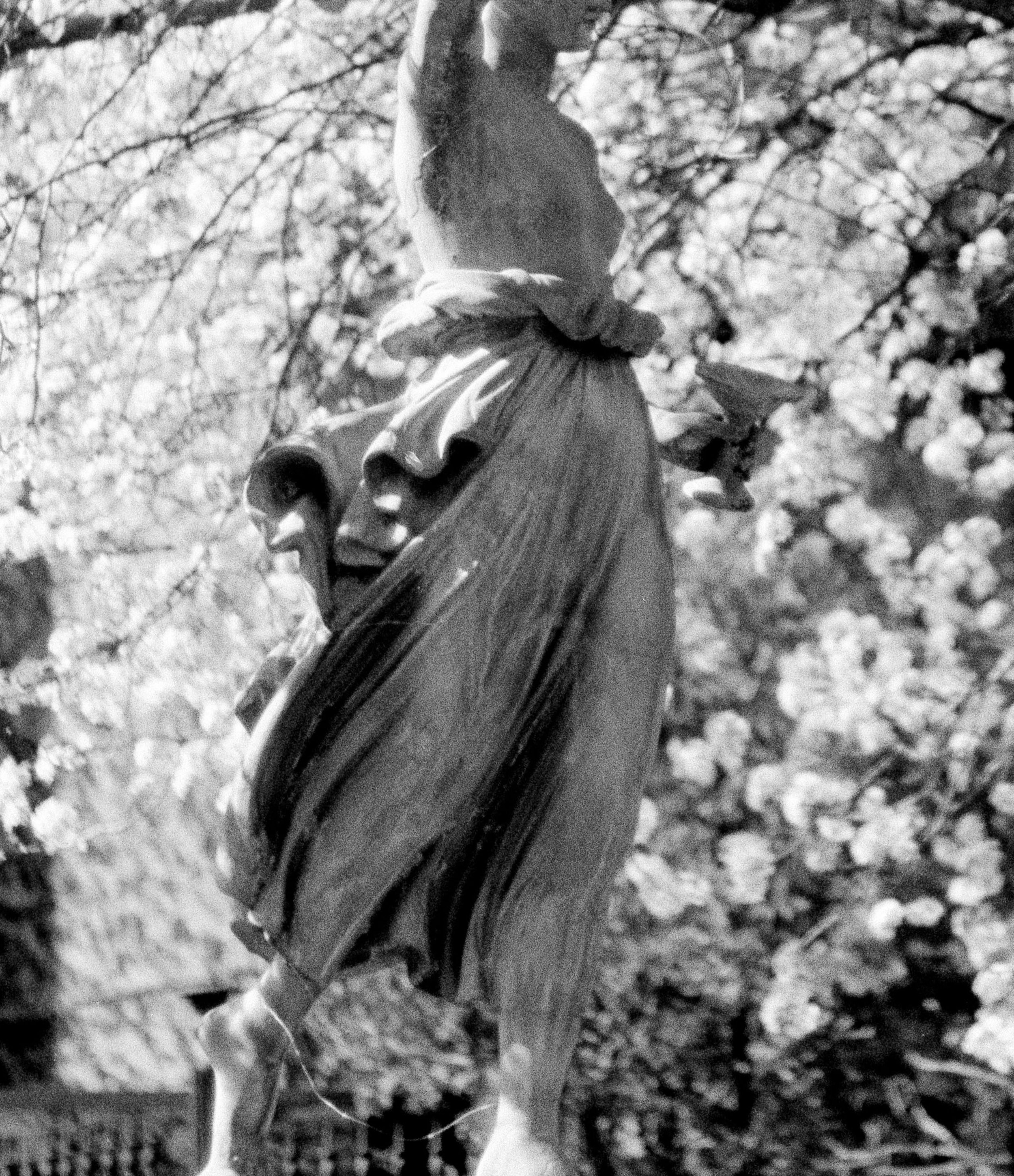
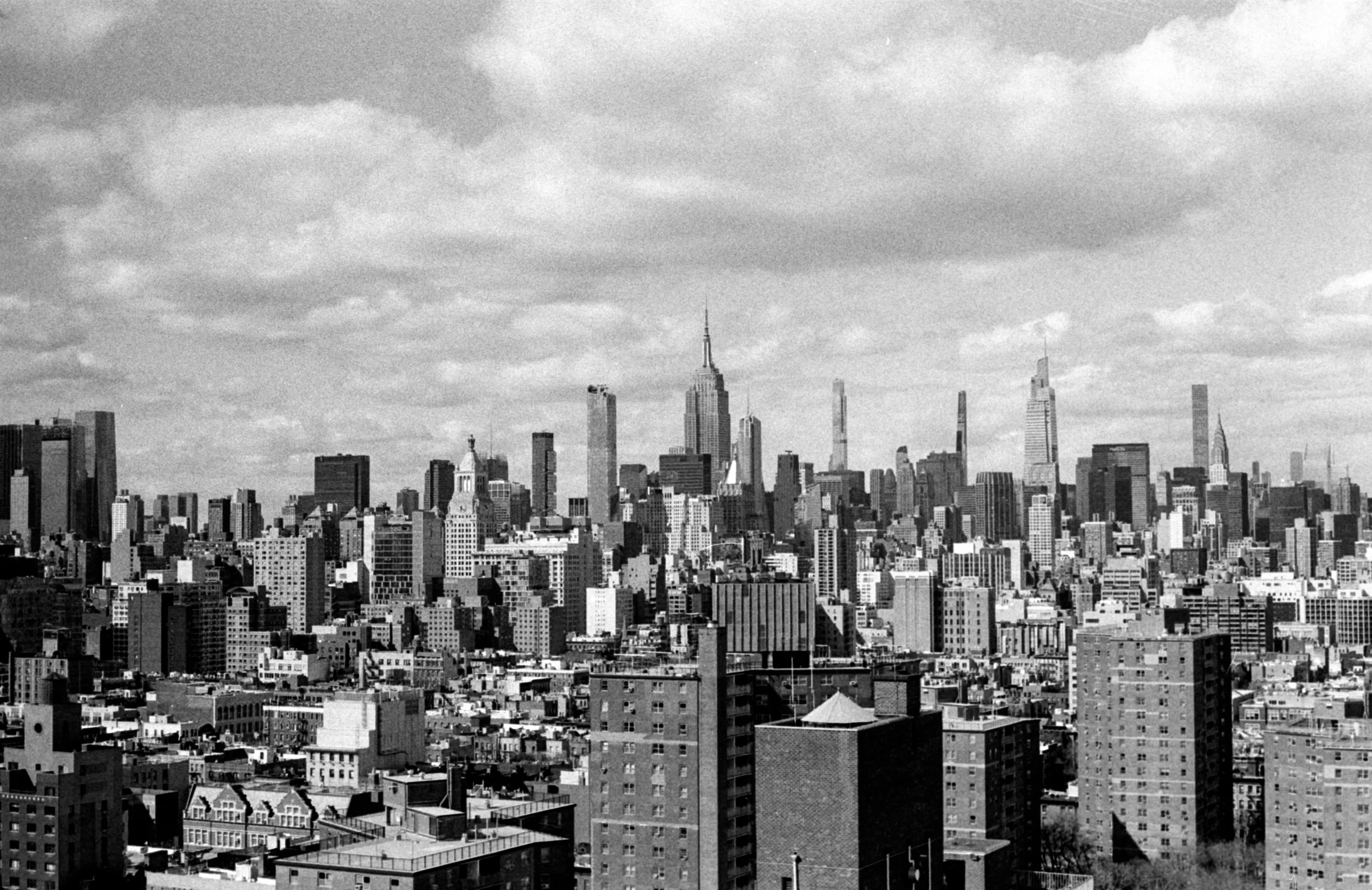
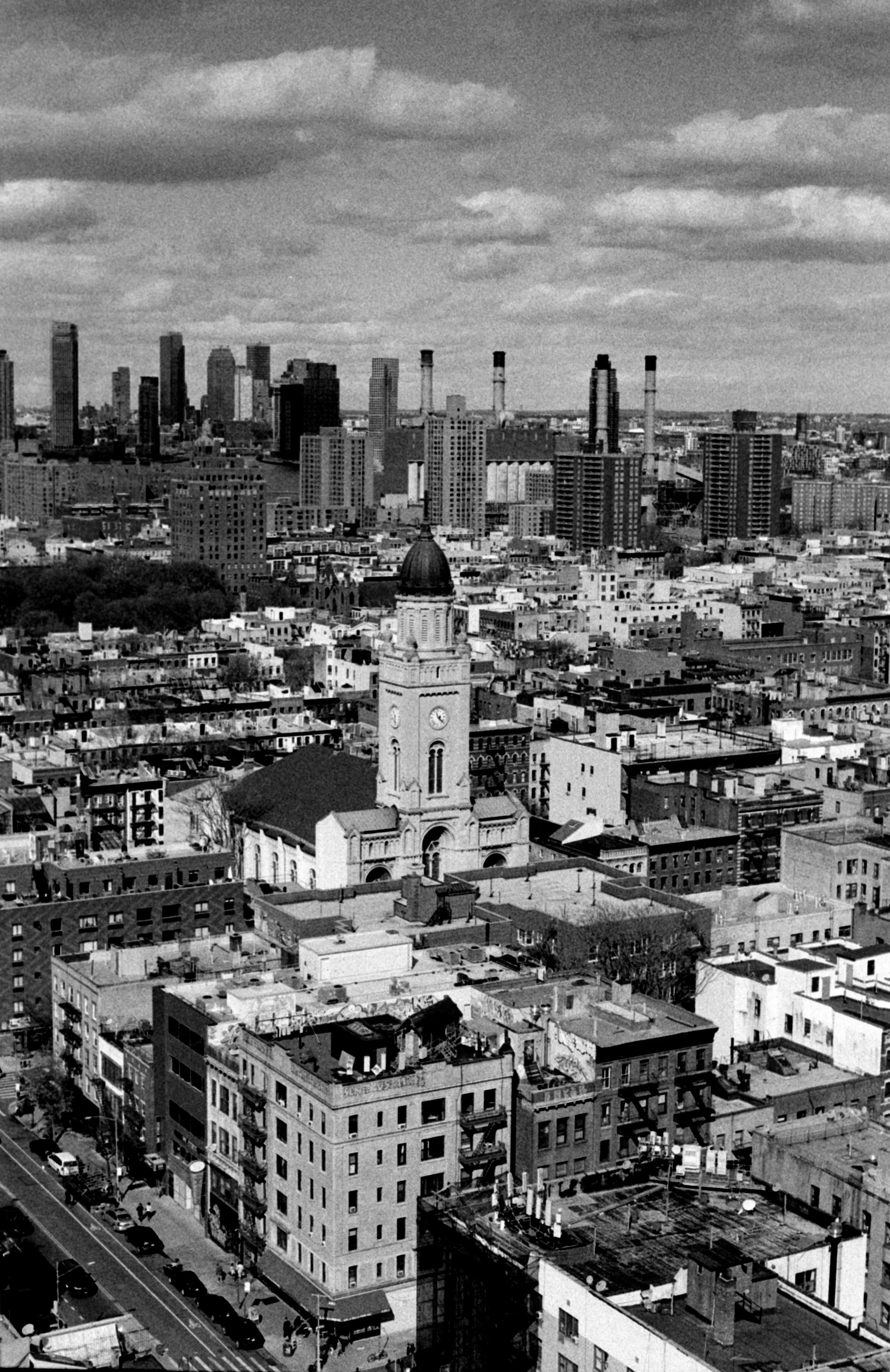
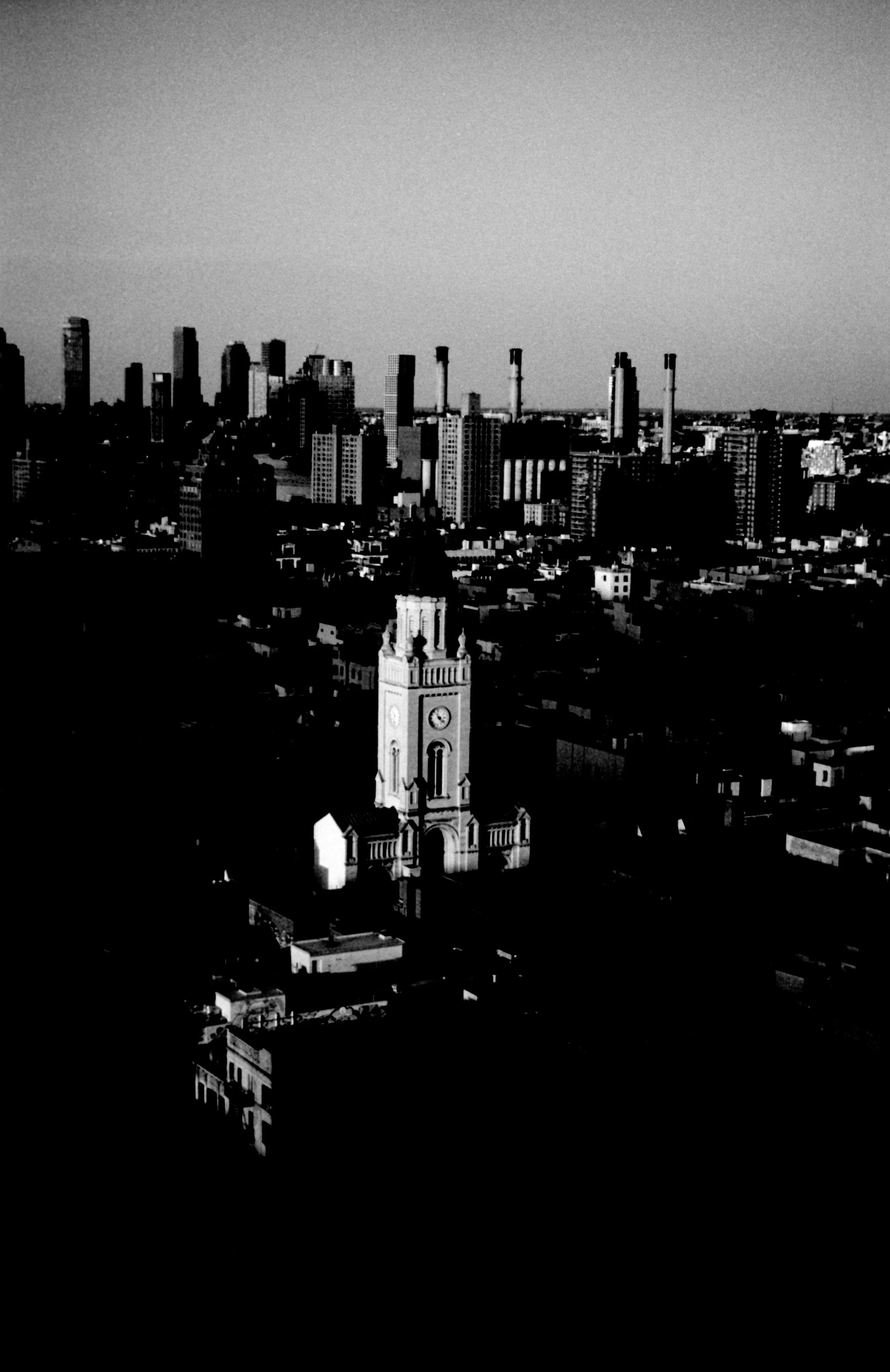
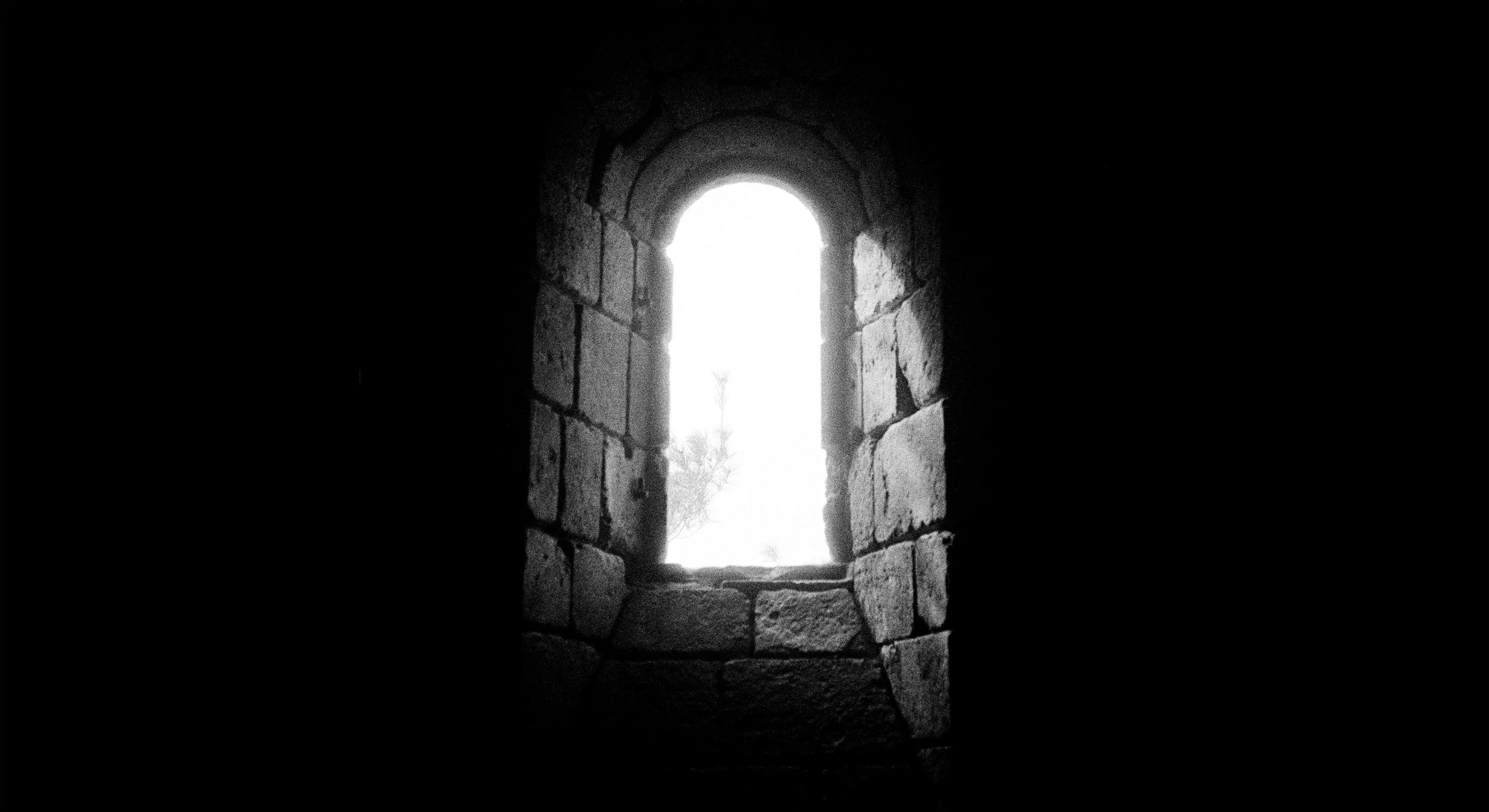
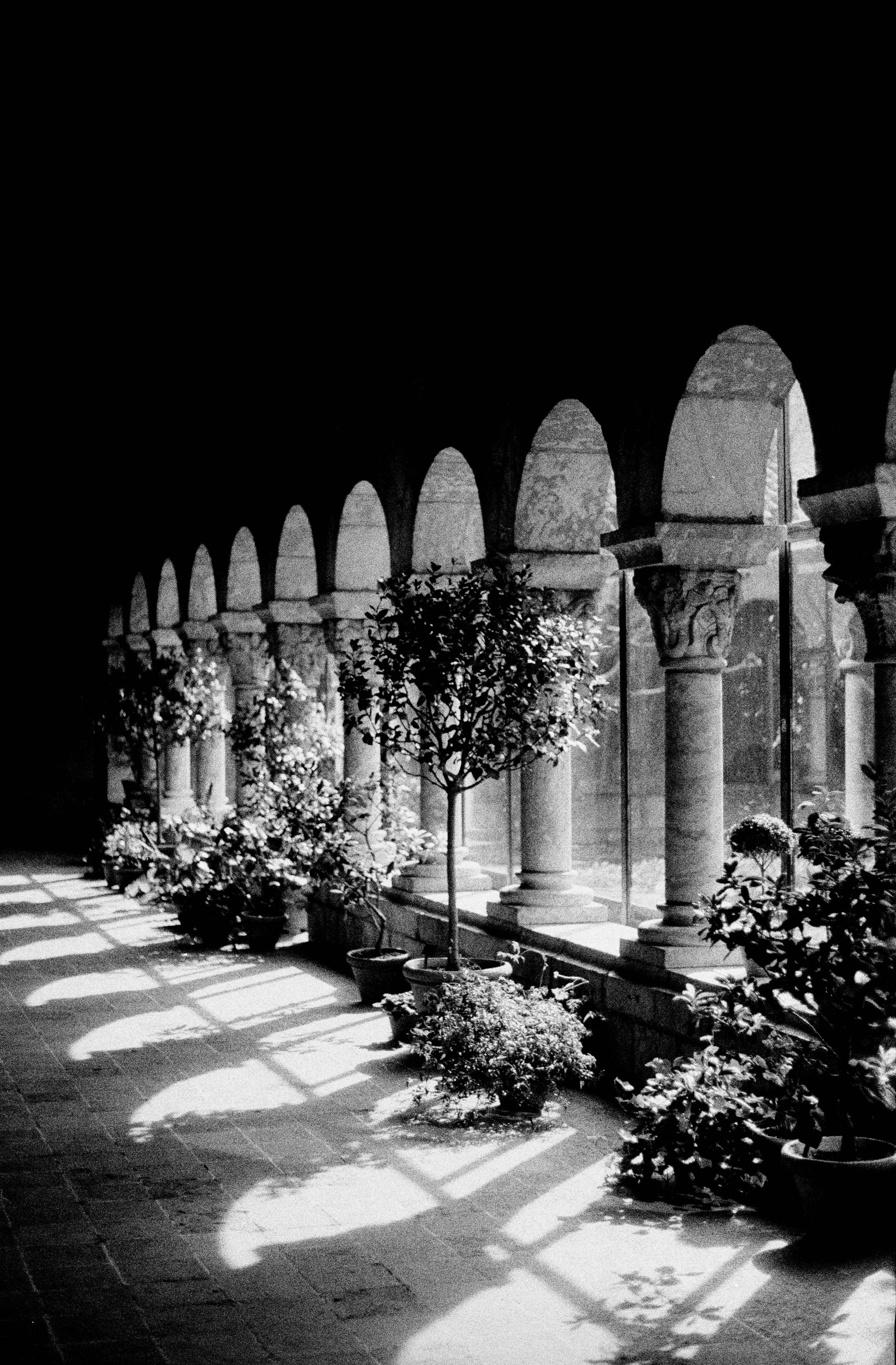
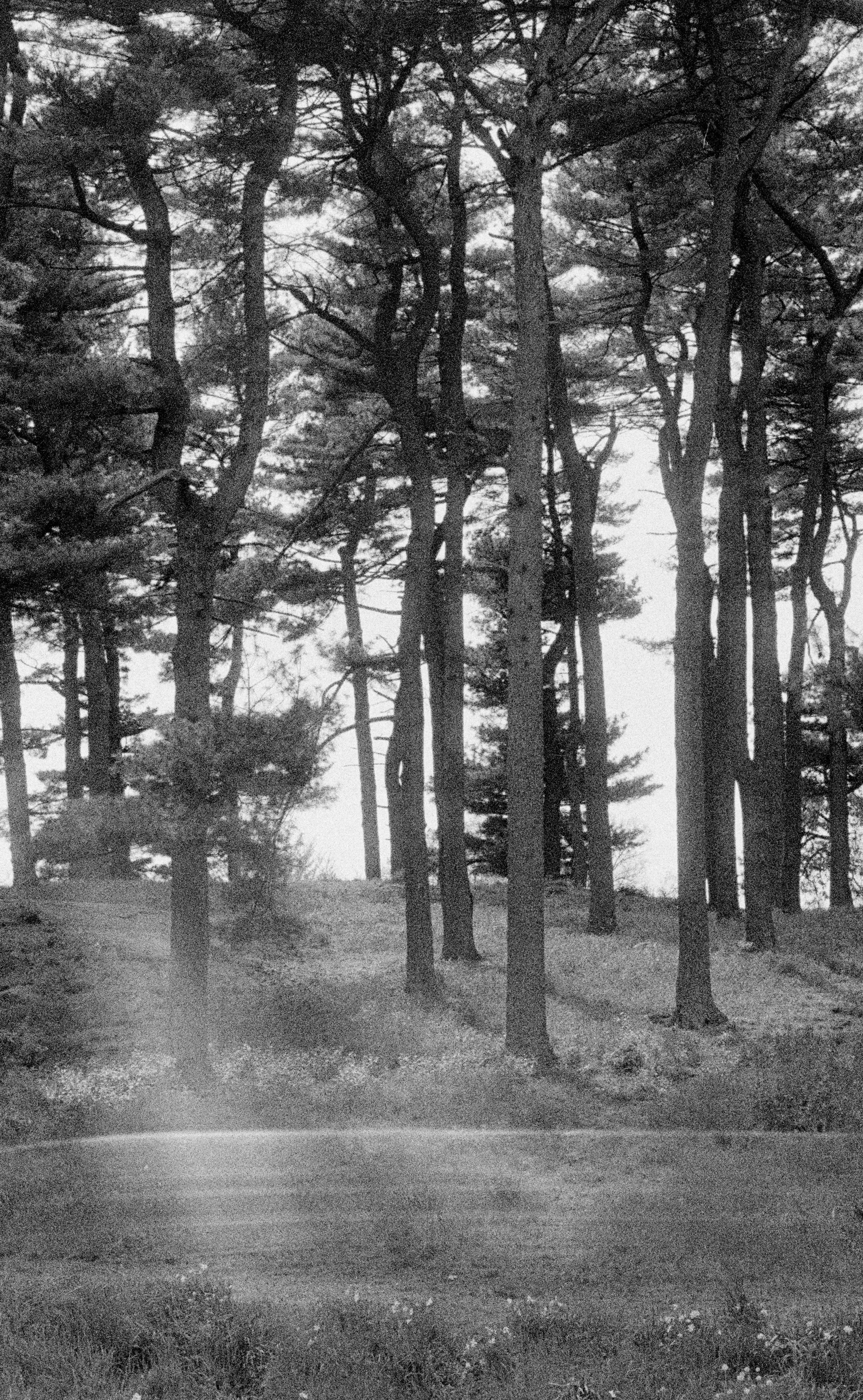
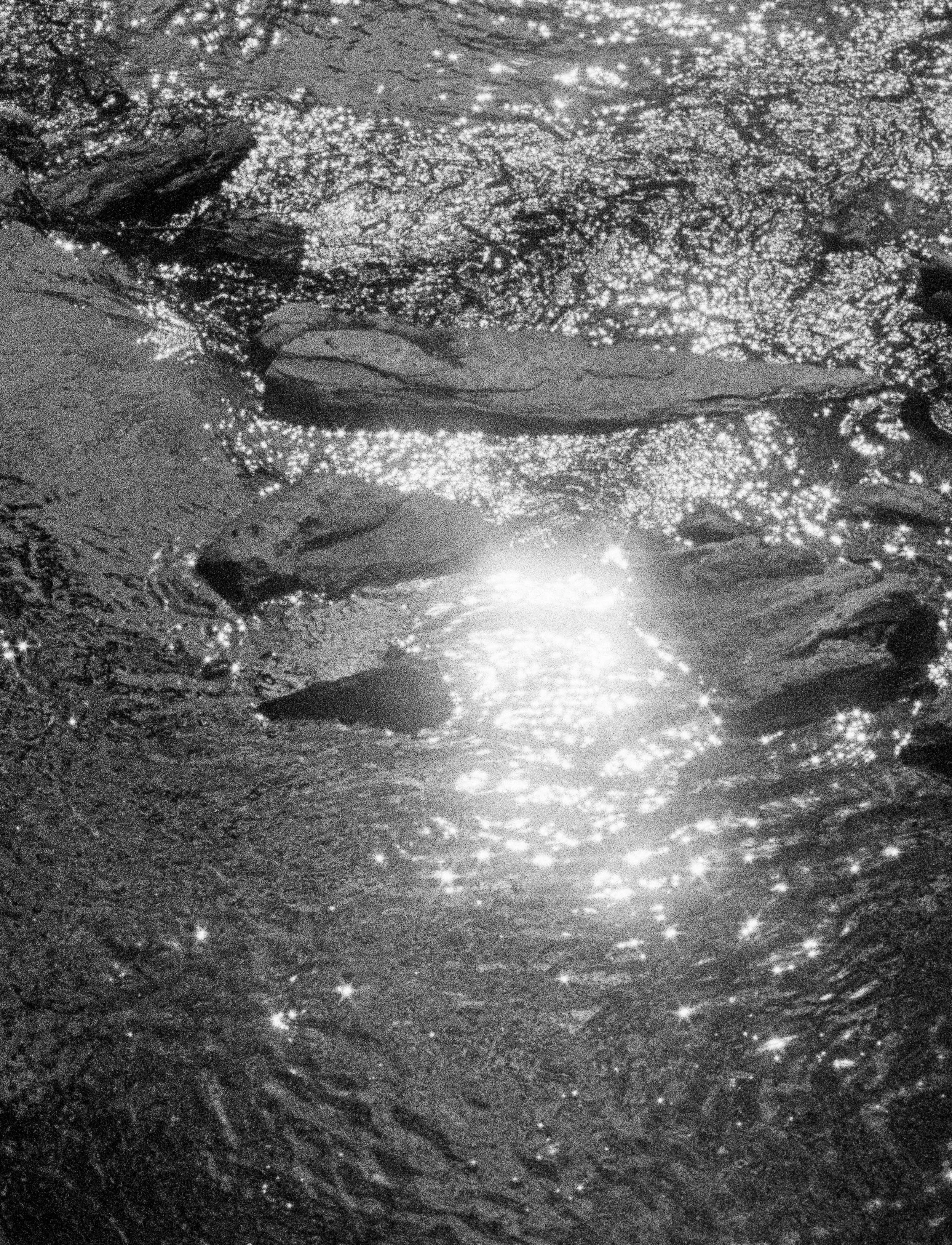
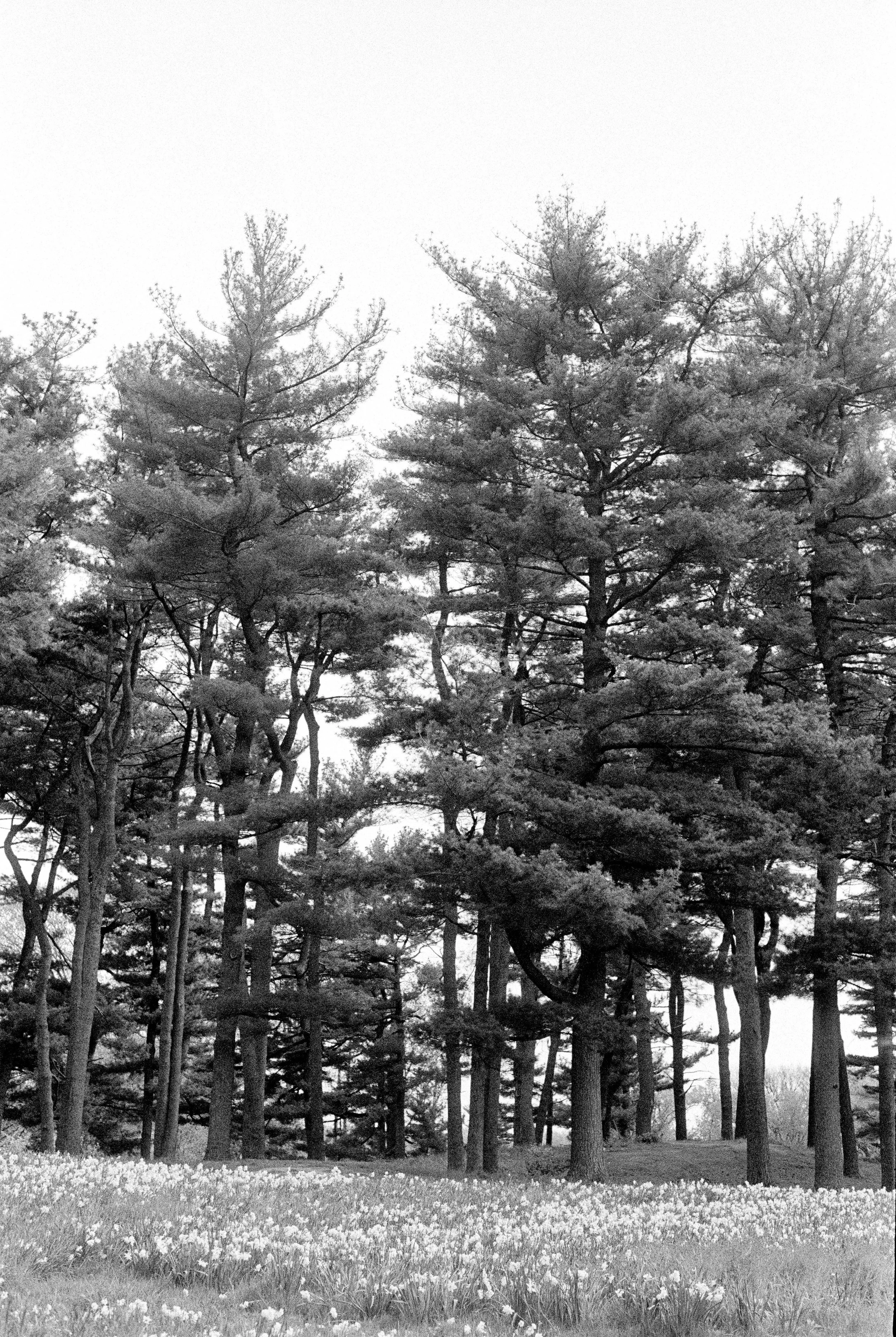
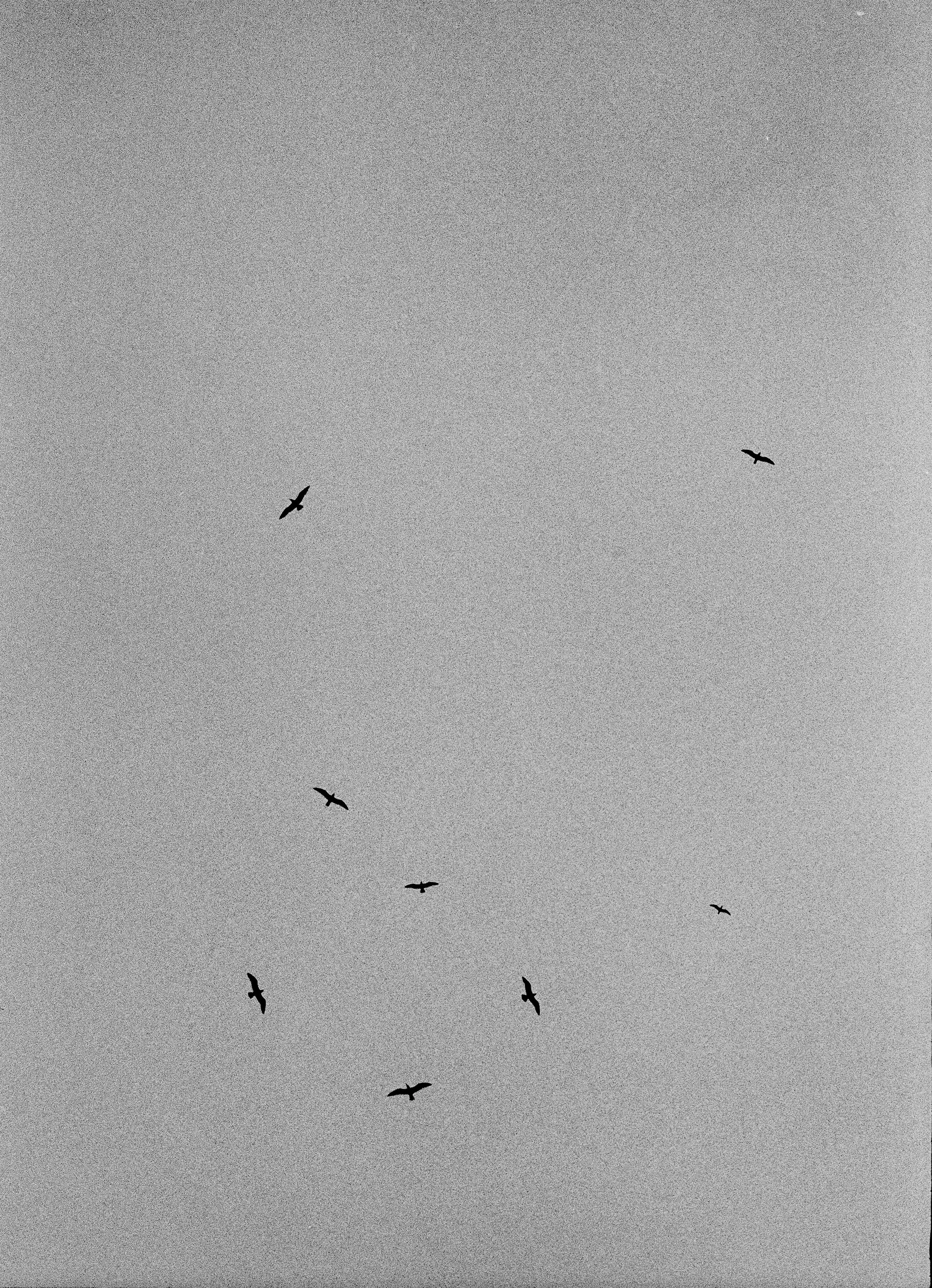
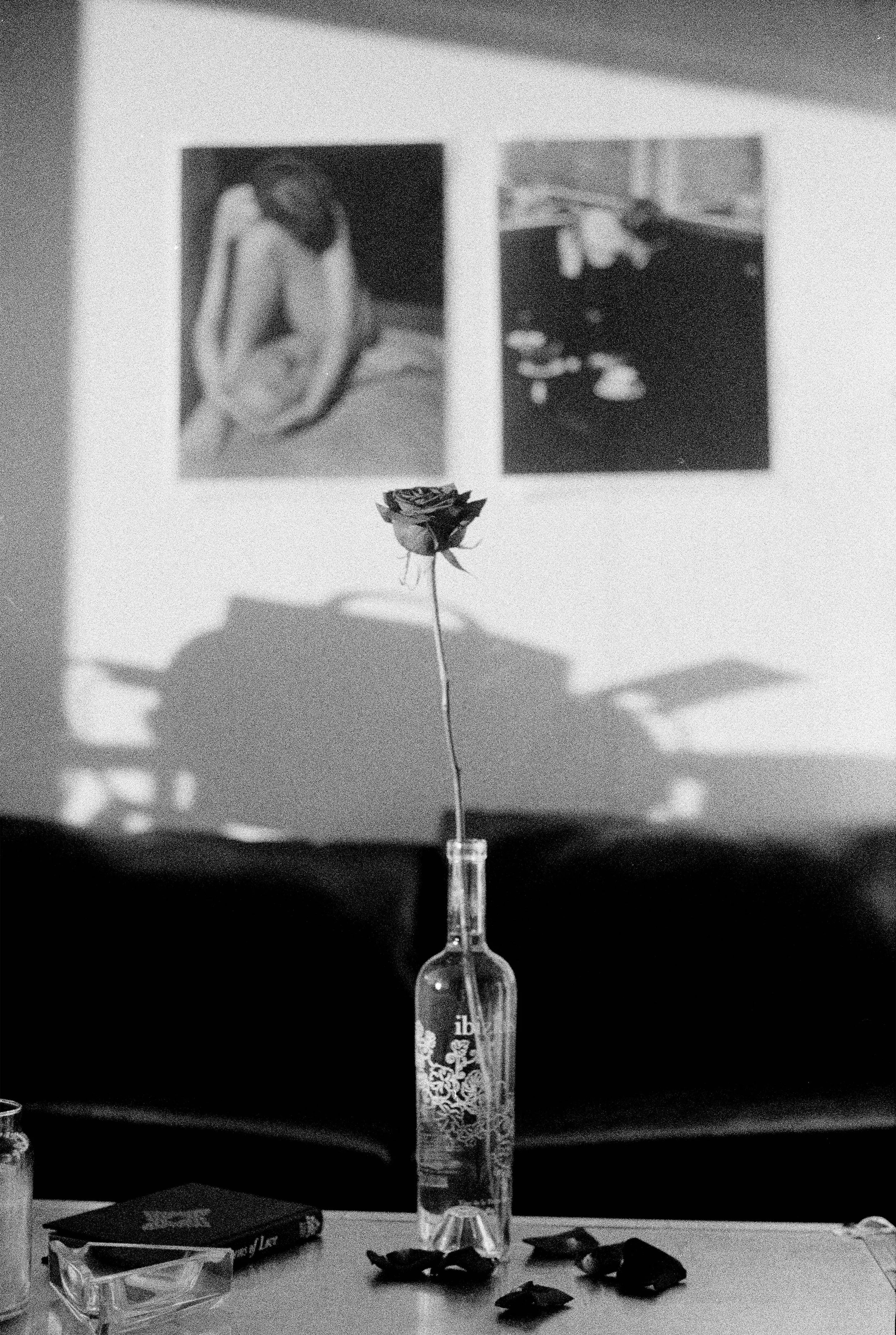
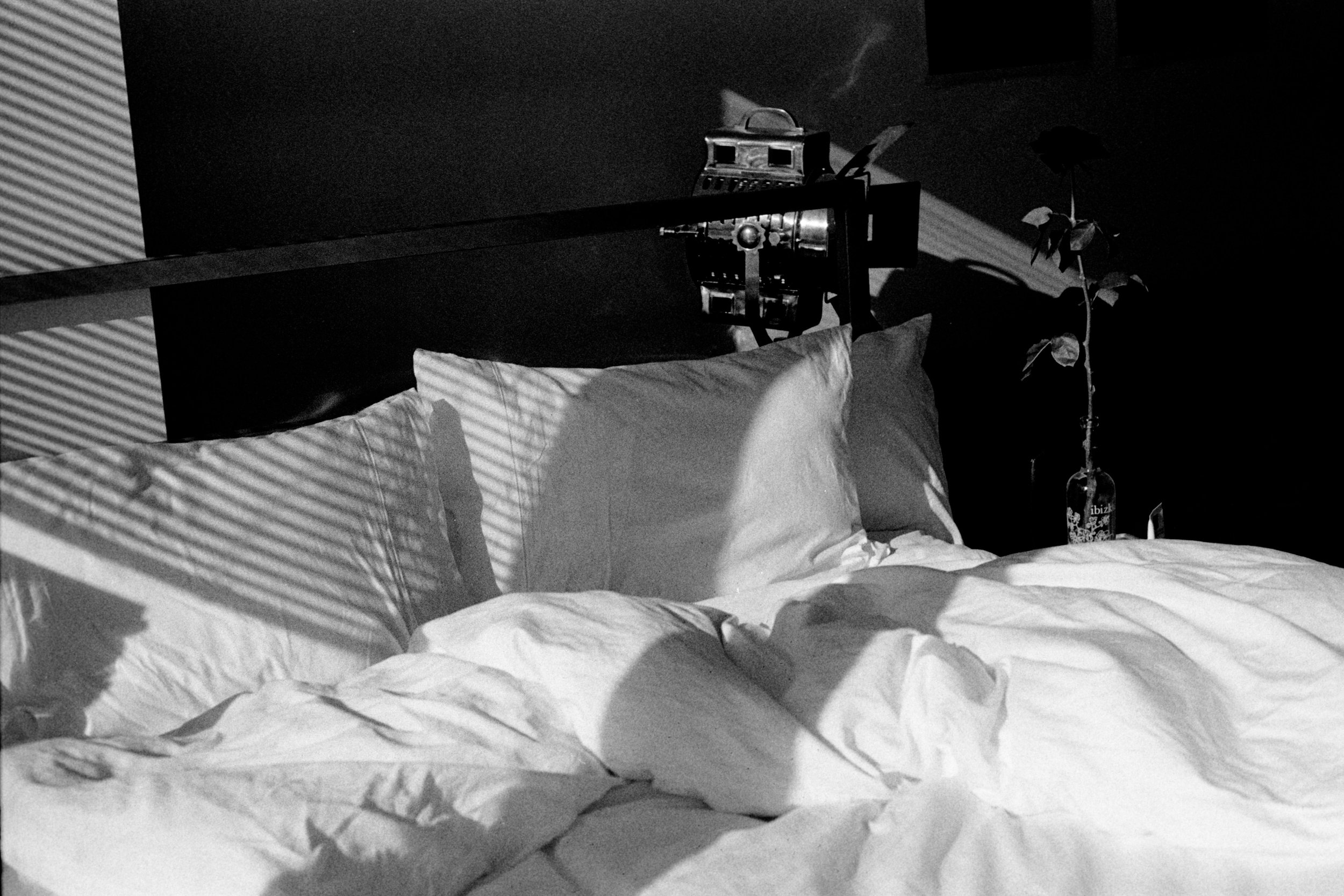
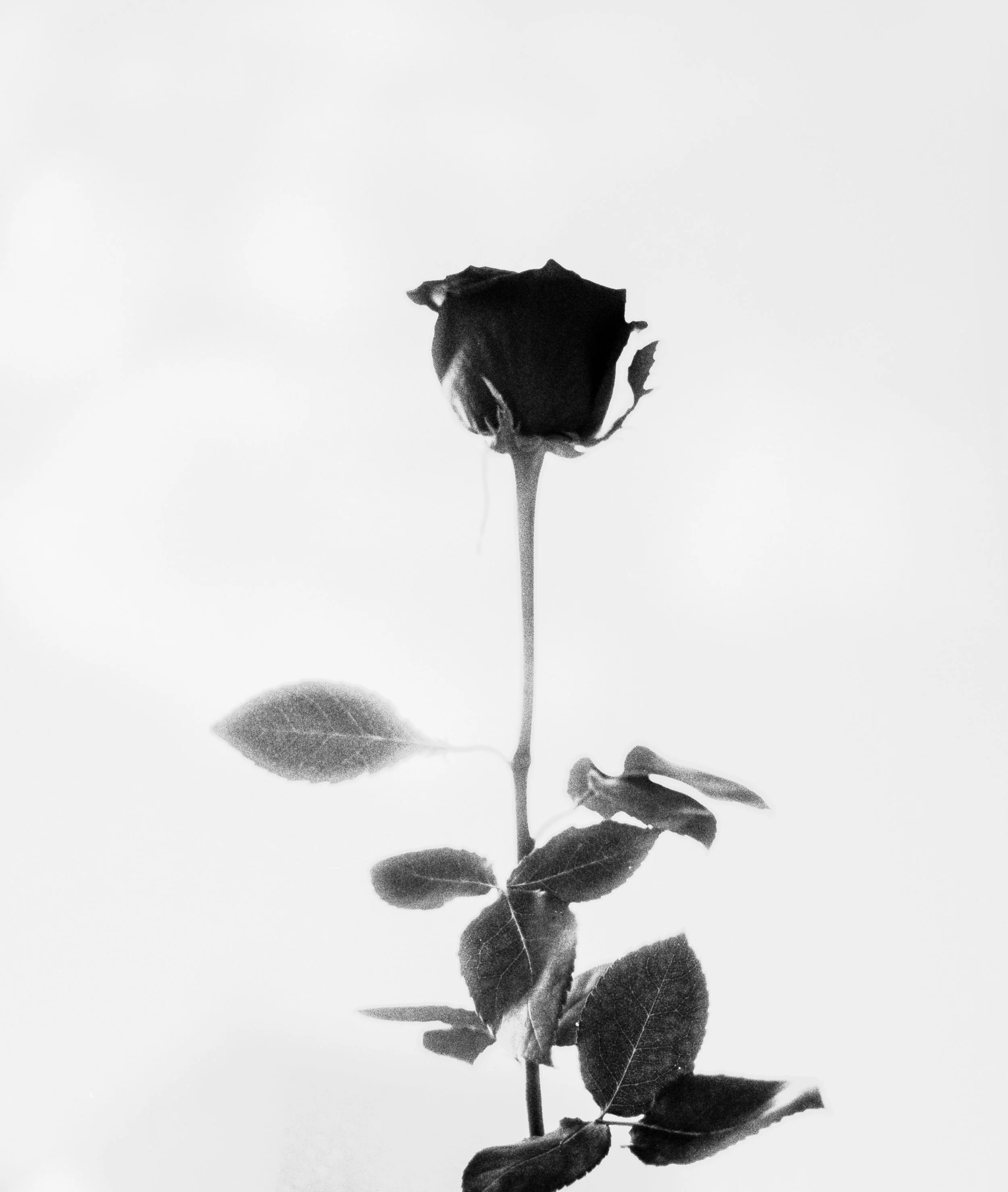
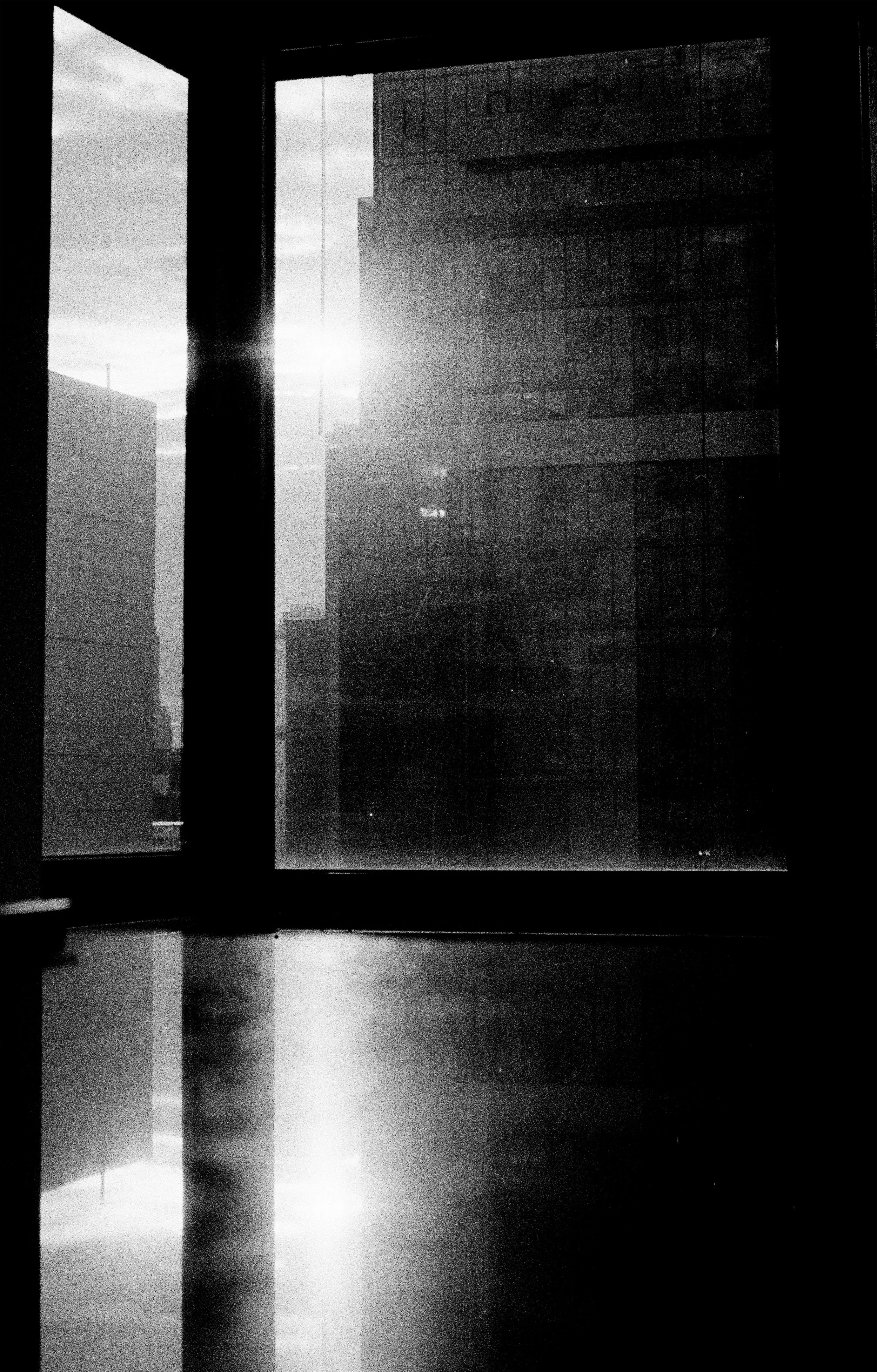
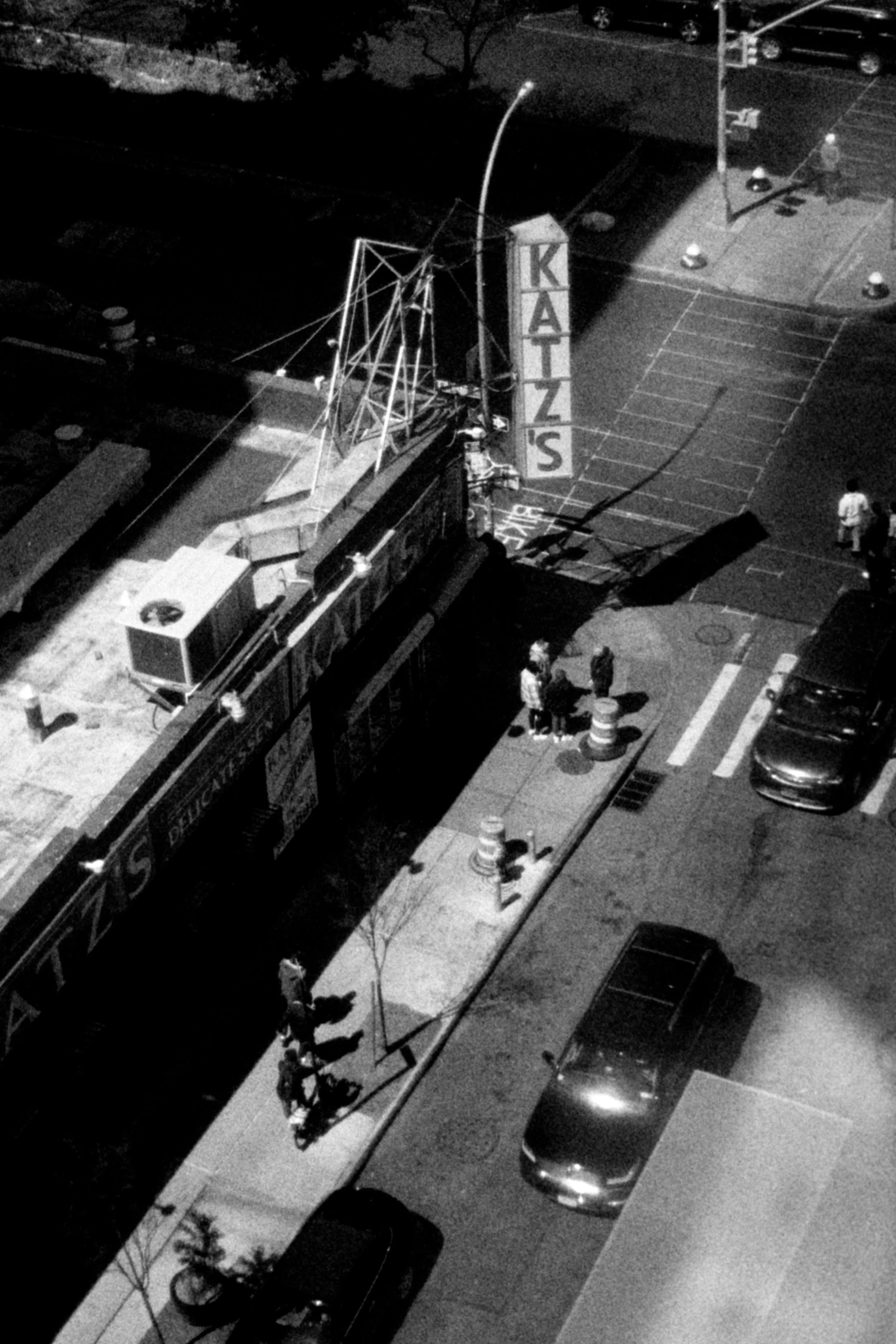
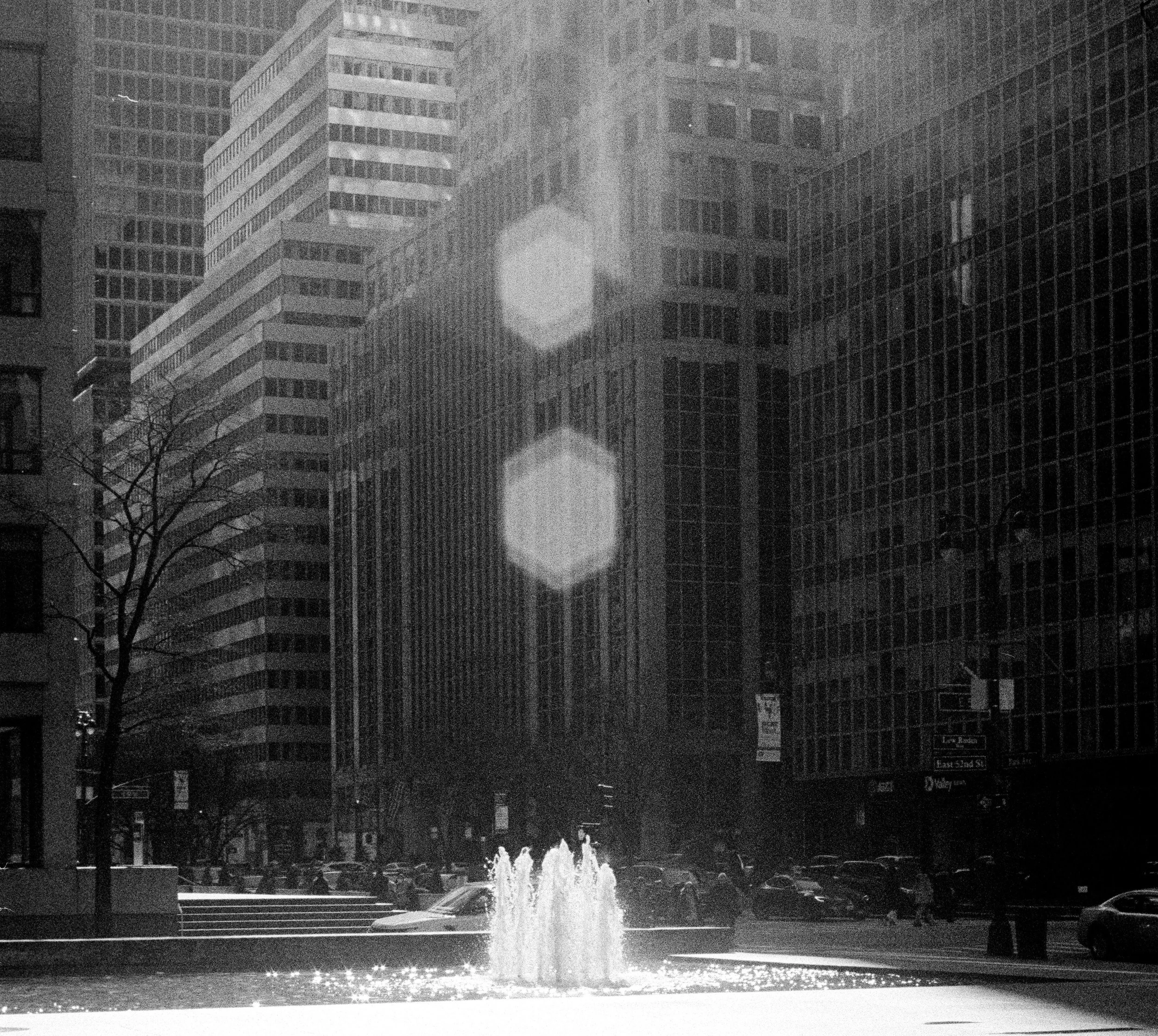
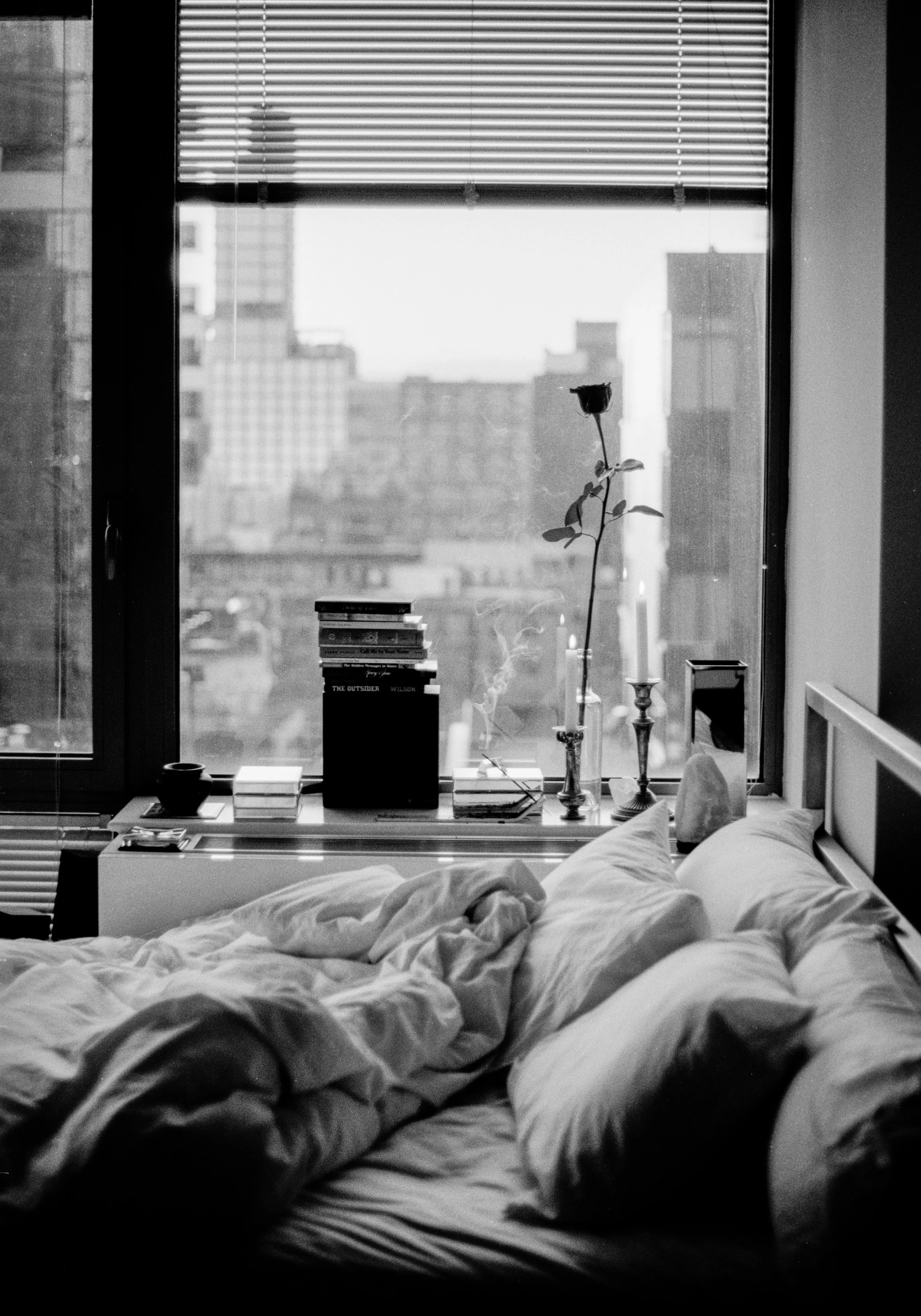
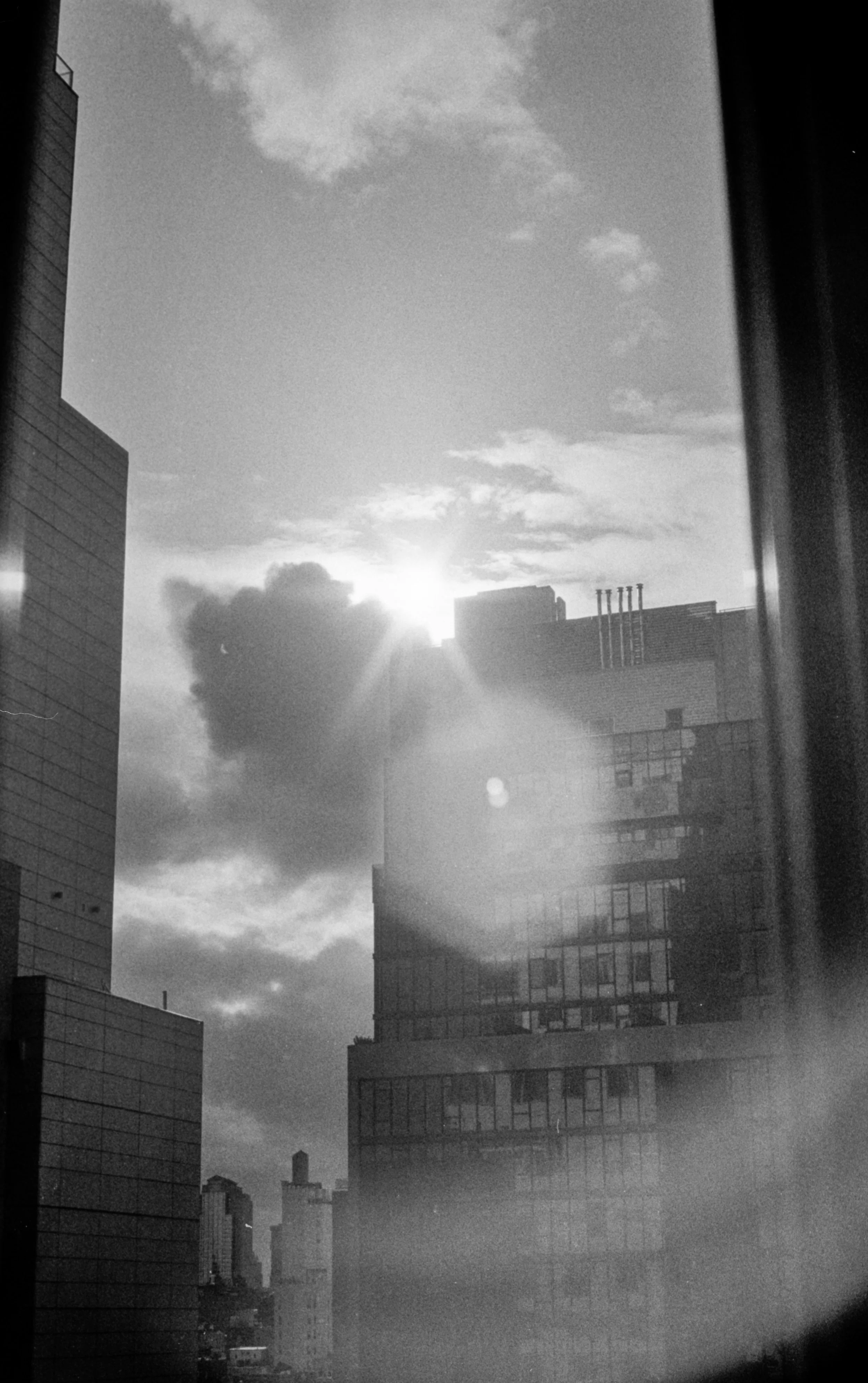
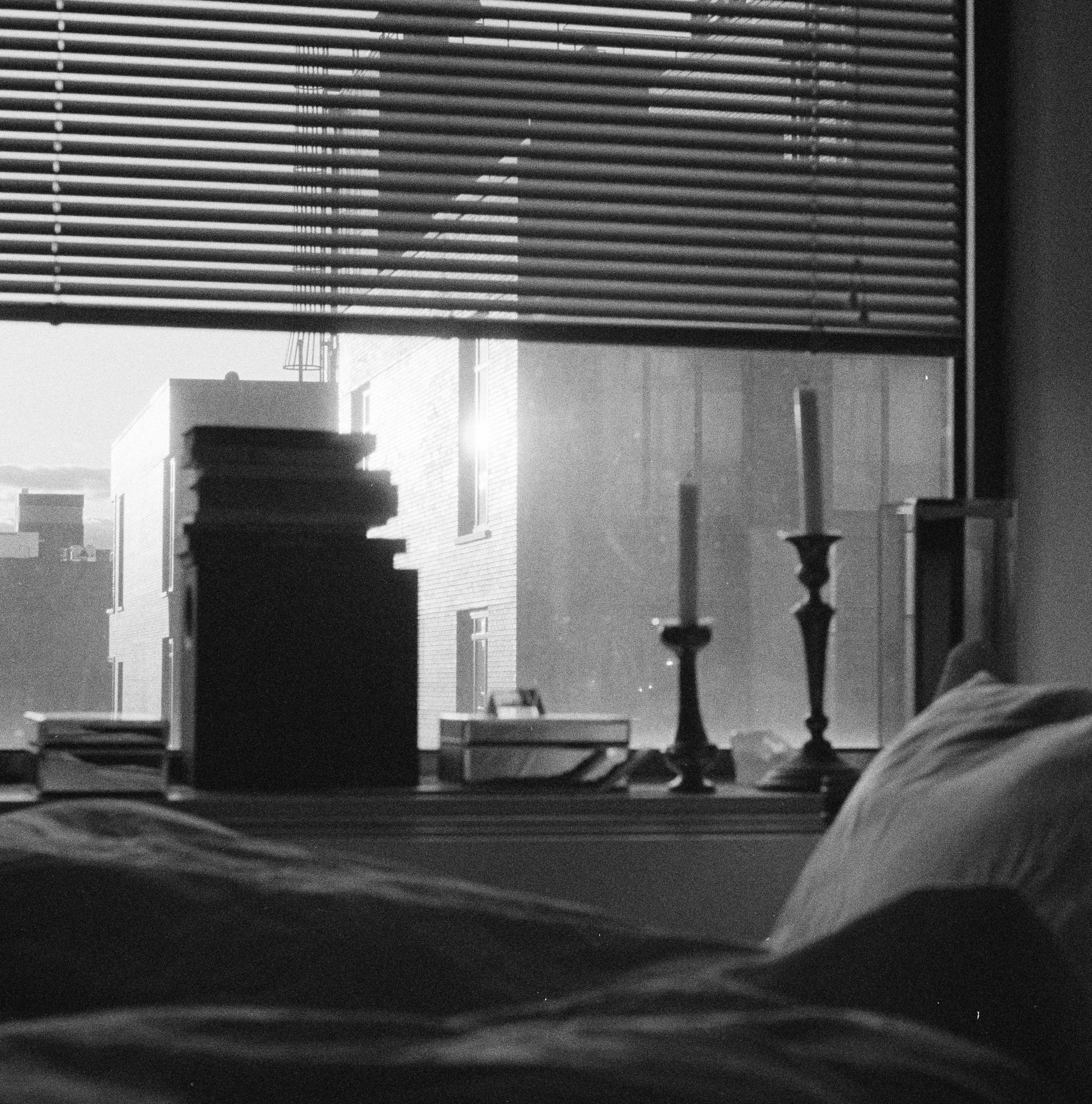
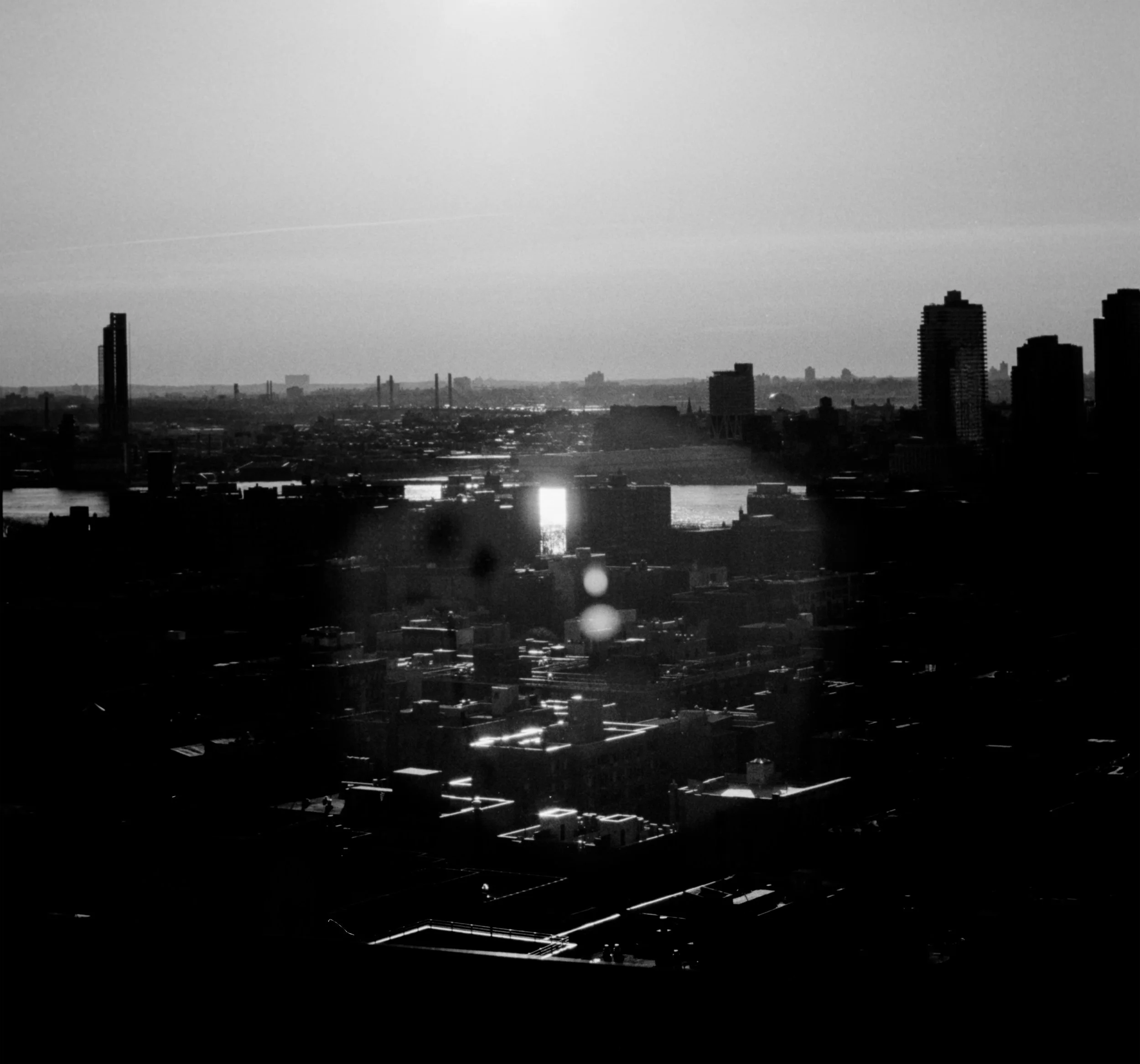
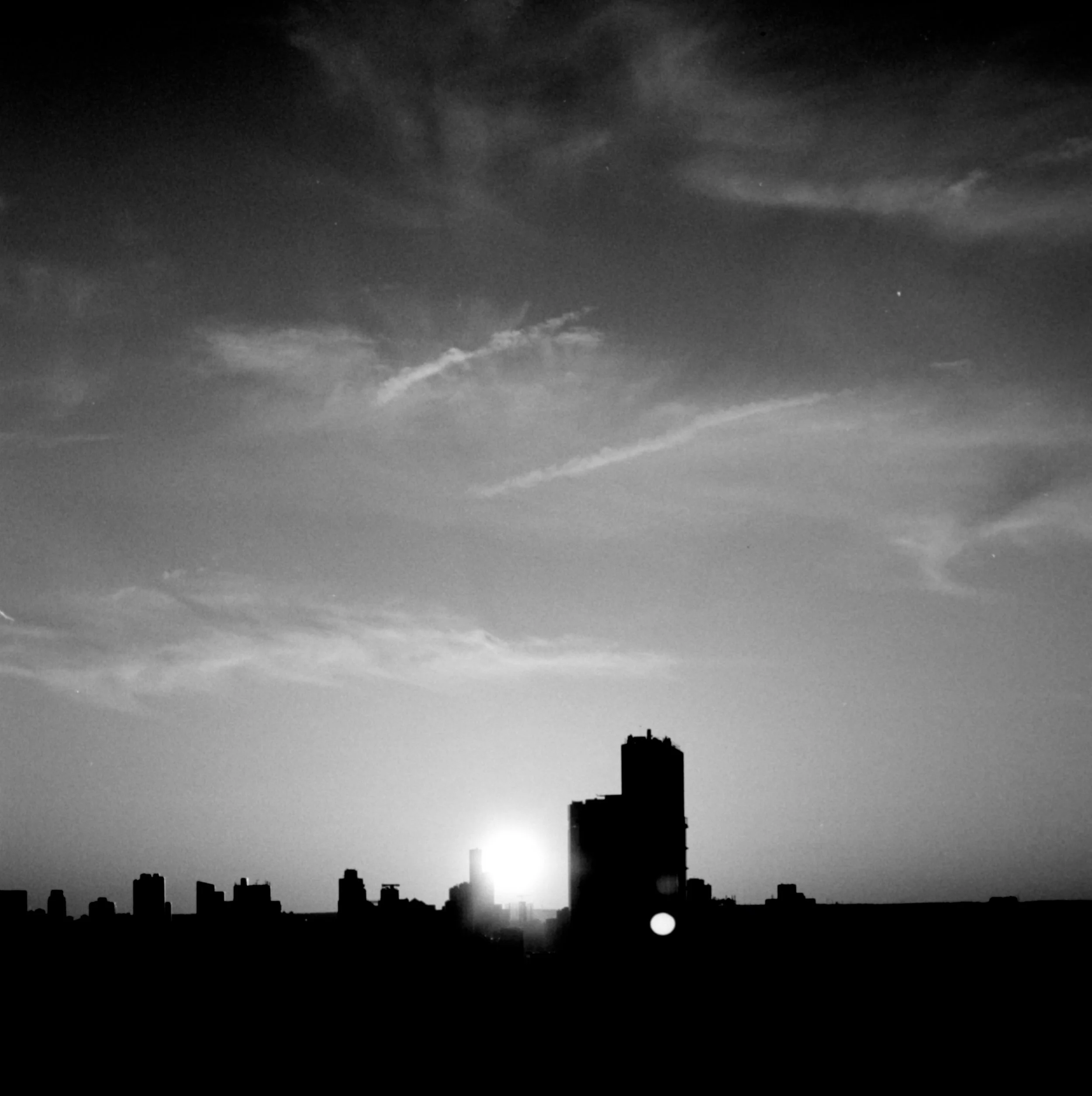
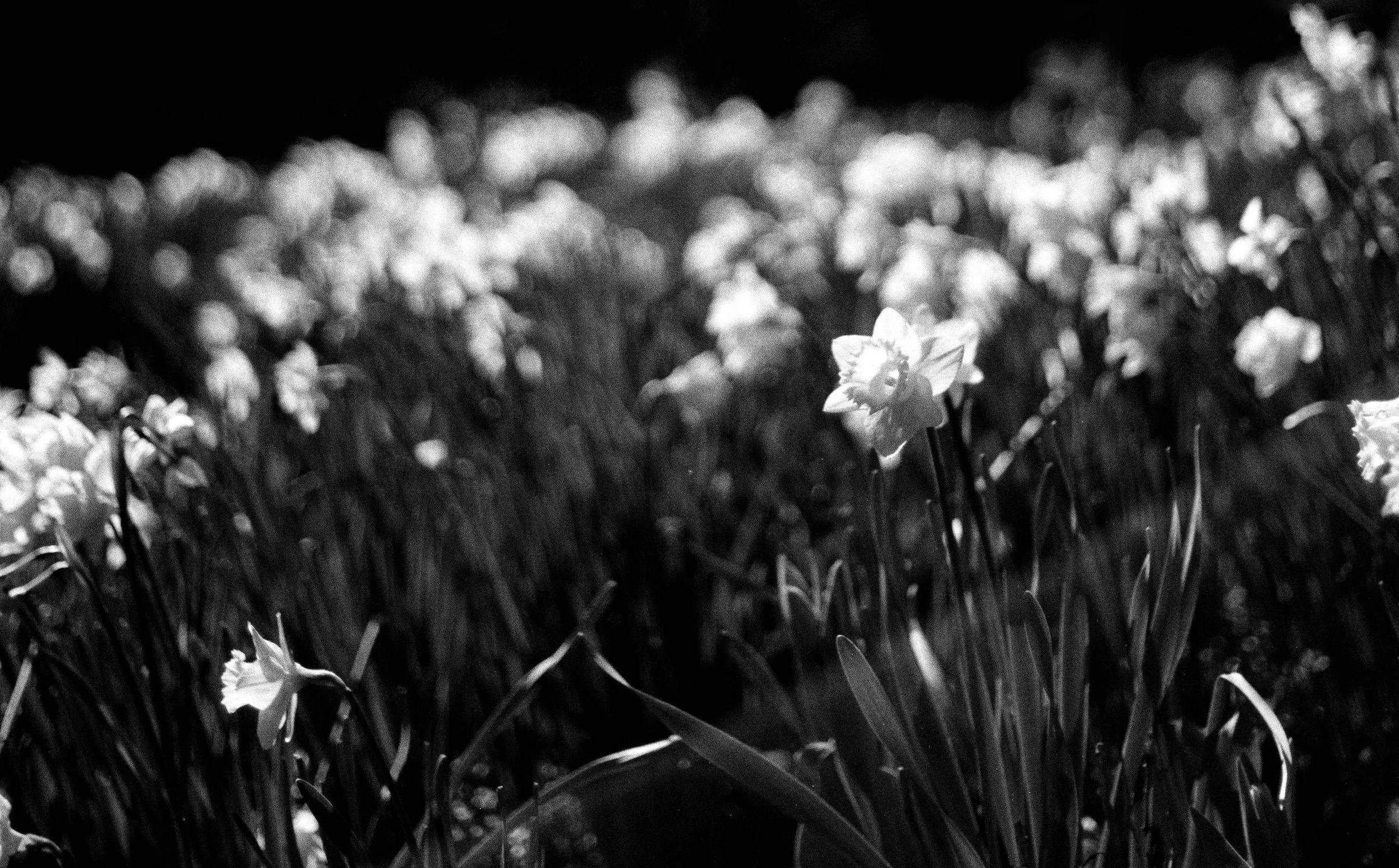
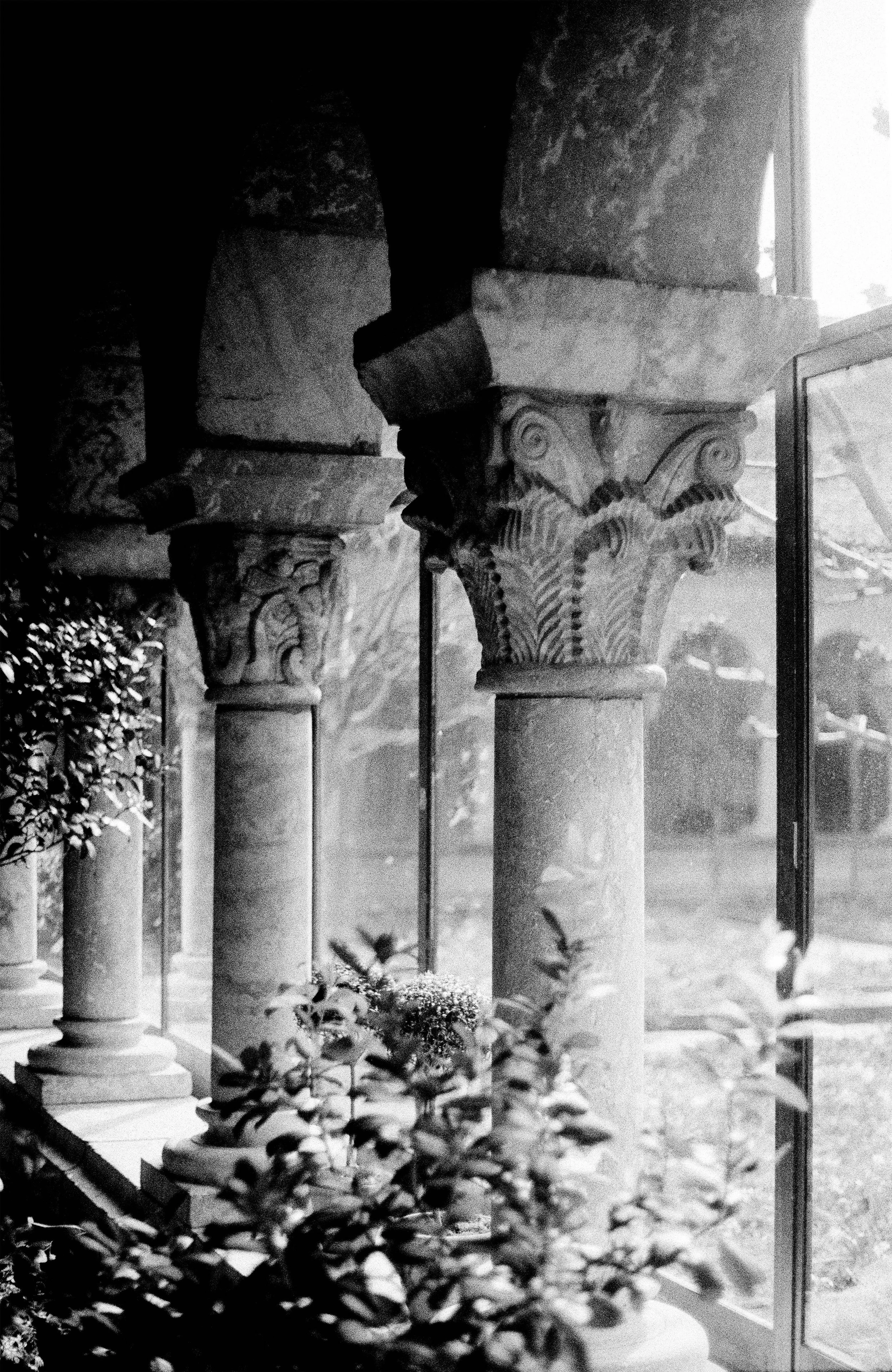
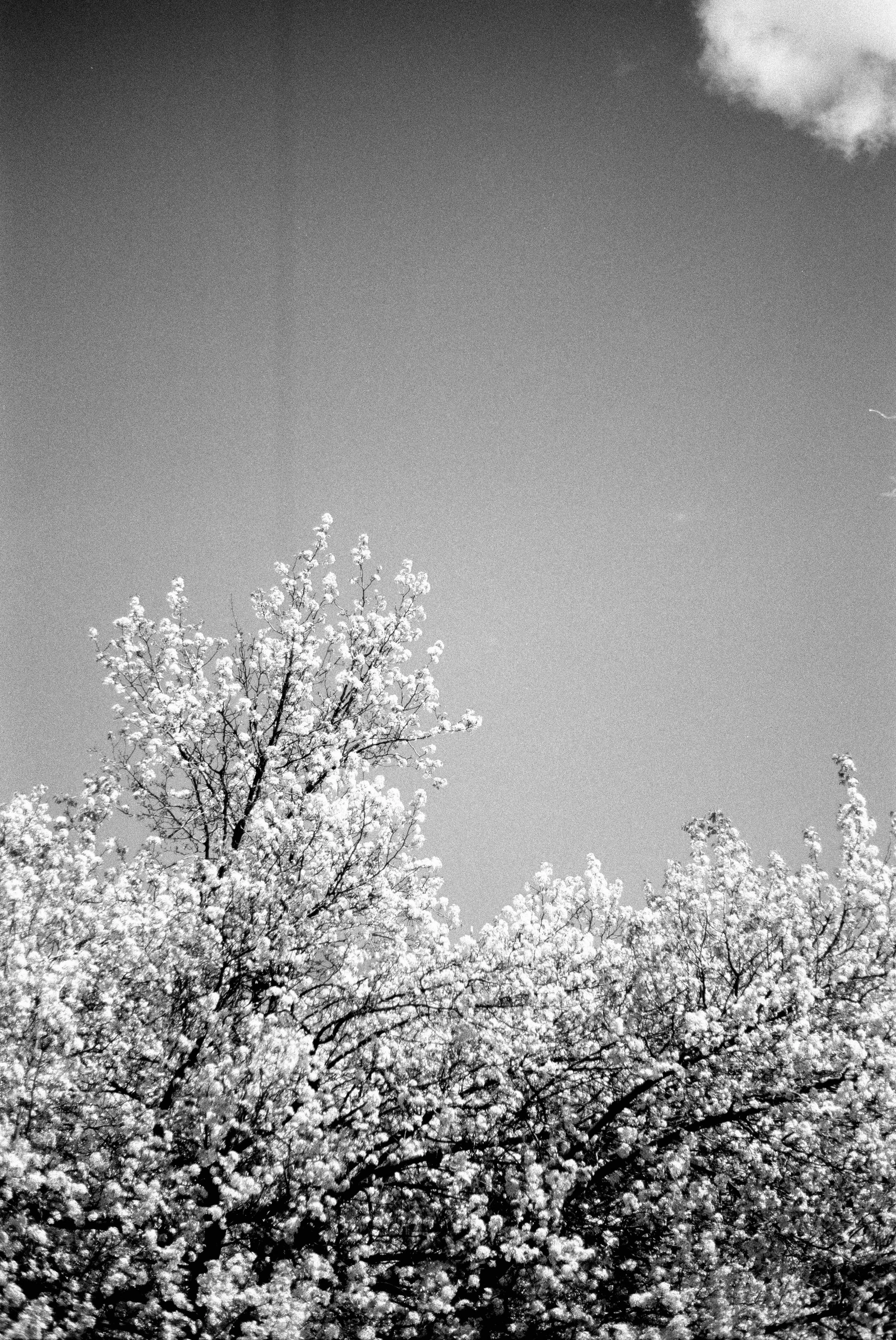
Made with Pentax K1000, 35mm film developed and scanned by hand. 2019-2022.